
Pros and cons of Isolate Oils in CBD manufacturing
As the cannabis industry continues to evolve, CBD manufacturing has become one of its most dynamic sectors. Among the various forms of CBD extracts, isolate oils have gained meaningful attention for their potency and purity. However, like any processing method or product form, using isolate oils in CBD manufacturing comes with its own set of advantages and drawbacks. In this article, we’ll explore the pros and cons of isolate oils within the broader context of cannabis science, processing technology, and post-processing equipment. Whether you are a manufacturer, retailer, or CBD enthusiast, understanding isolate oils can definitely help you make informed decisions about product quality, efficiency, and market demands.
Understanding Isolate Oils in CBD Manufacturing
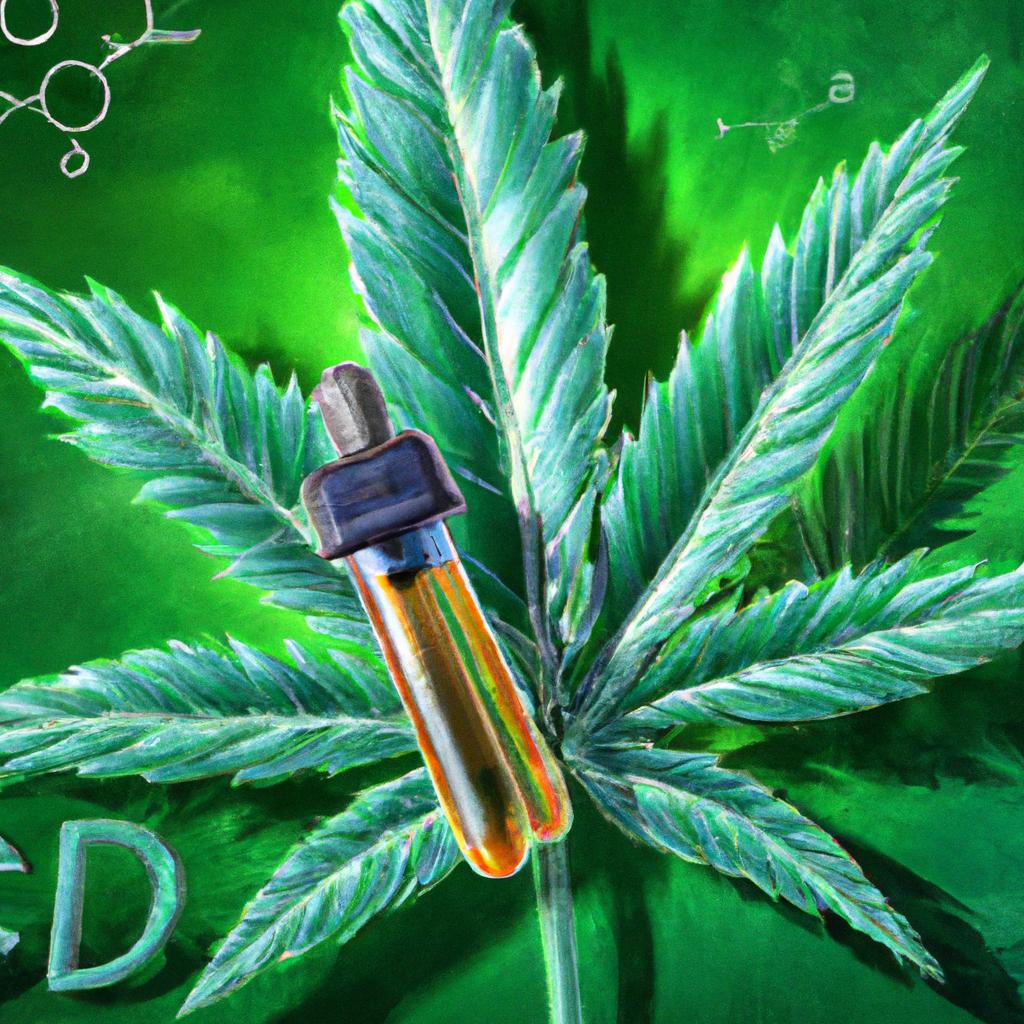
Isolate oils refer to cannabinoid extracts where pure cannabidiol (CBD) is isolated from other cannabis compounds such as terpenes, flavonoids, and other cannabinoids (THC, CBG, CBN, etc.). This is done through advanced cannabis extraction and post-processing techniques like chromatography or winterization, which refine a crude extract into a crystalline or oil form containing at least 99% pure CBD.
within cannabis post-processing, isolate oil production demands specialized equipment like high-performance liquid chromatography (HPLC), rotary evaporators, and vacuum ovens to ensure purity and consistency.
Pros of Using Isolate Oils in CBD Manufacturing
- High purity and potency: Isolate oils typically contain over 99% pure CBD, offering consistent dosages and effect strength which is crucial for both consumers and manufacturers.
- THC-free product: Isolates remove all THC, making them ideal for users concerned about psychoactive effects or drug testing issues.
- Neutral flavour and odor: Since isolates lack terpenes and other cannabis botanicals, they offer a tasteless and odorless option suited for various product formulations like gummies, tinctures, and cosmetics.
- Versatility in formulations: Isolates can be added to any carrier oil or infused into a broad range of products without impacting the taste or smell.
- Improved shelf-life: Pure isolate oils generally demonstrate enhanced stability and longer shelf life compared to full-spectrum extracts exposed to oxidation and degradation.
Cons of Using Isolate Oils in CBD Manufacturing
- Reduced entourage effect: CBD isolates lack other cannabinoids and terpenes which contribute to the “entourage effect,” potentially limiting therapeutic benefits that full-spectrum products provide.
- Costly production: Achieving ultra-pure isolate requires multiple extraction and refining steps, refined equipment, and higher energy consumption, which can elevate manufacturing costs.
- less natural experience for consumers: Some consumers prefer the holistic nature of broad-spectrum or full-spectrum oils,associating isolates with synthetic or overly processed products.
- Potential for mislabeling and misunderstanding: Without proper education and labelling, consumers might confuse isolates with full-spectrum extracts, leading to misconceptions about product efficacy.
Isolate oils Within the Broader Cannabis Processing Landscape
In cannabis post-processing,manufacturing isolate oils represents just one part of the diverse spectrum of extraction and refinement techniques. Producers face choices between full-spectrum, broad-spectrum, and CBD isolate products – each serving different market niches.
Technologically,isolate production pushes the boundaries of cannabis refining equipment,from centrifugal separations to precision chromatography,reflecting broader innovations in the cannabis science field. The trade-off is balancing purity with the natural complexity of the cannabis plant,impacting not only product effects but also costs and consumer perception.
Table: Comparison of CBD Extract Types in Cannabis Manufacturing
| Extract Type | Composition | Advantages | Challenges |
|---|---|---|---|
| Full-Spectrum | CBD + all cannabinoids + terpenes | Maximum entourage effect, natural | Contains THC, legal limitations |
| Broad-Spectrum | CBD + other cannabinoids & terpenes, no THC | Entourage effect without THC risks | more processing needed |
| Isolate Oil | Pure CBD (99%+) | THC free, consistent potency | Lost entourage effect, higher cost |
practical Tips for Manufacturers Using Isolate Oils
- Invest in advanced purification equipment: To maintain purity and efficiency, ensure your processing line includes chromatography systems and quality control labs.
- Label clearly: Transparency with consumers about isolate vs. full or broad-spectrum products can build trust and reduce confusion.
- Combine with carrier oils wisely: Choose stable carrier oils that complement isolate oils to improve bioavailability and product shelf life.
- Consider market demands: Tailor CBD formulations to target customers who want THC-free, odorless, and tasteless options.
Conclusion
Isolate oils hold a key niche within cannabis manufacturing, appealing to consumers seeking pure, THC-free CBD.Their high potency, neutral flavor, and improved shelf life make them indispensable for many product formulations. Though, the absence of other cannabinoids and the cost-intensive production process present challenges that manufacturers must navigate carefully.
Understanding the pros and cons of isolate oils allows cannabis businesses to innovate responsibly, leveraging cannabis technology and processing equipment to meet diverse consumer demands. In the ever-changing landscape of cannabis science, isolate oils remain a powerful tool – when used thoughtfully – to create safe, consistent, and effective CBD products.