
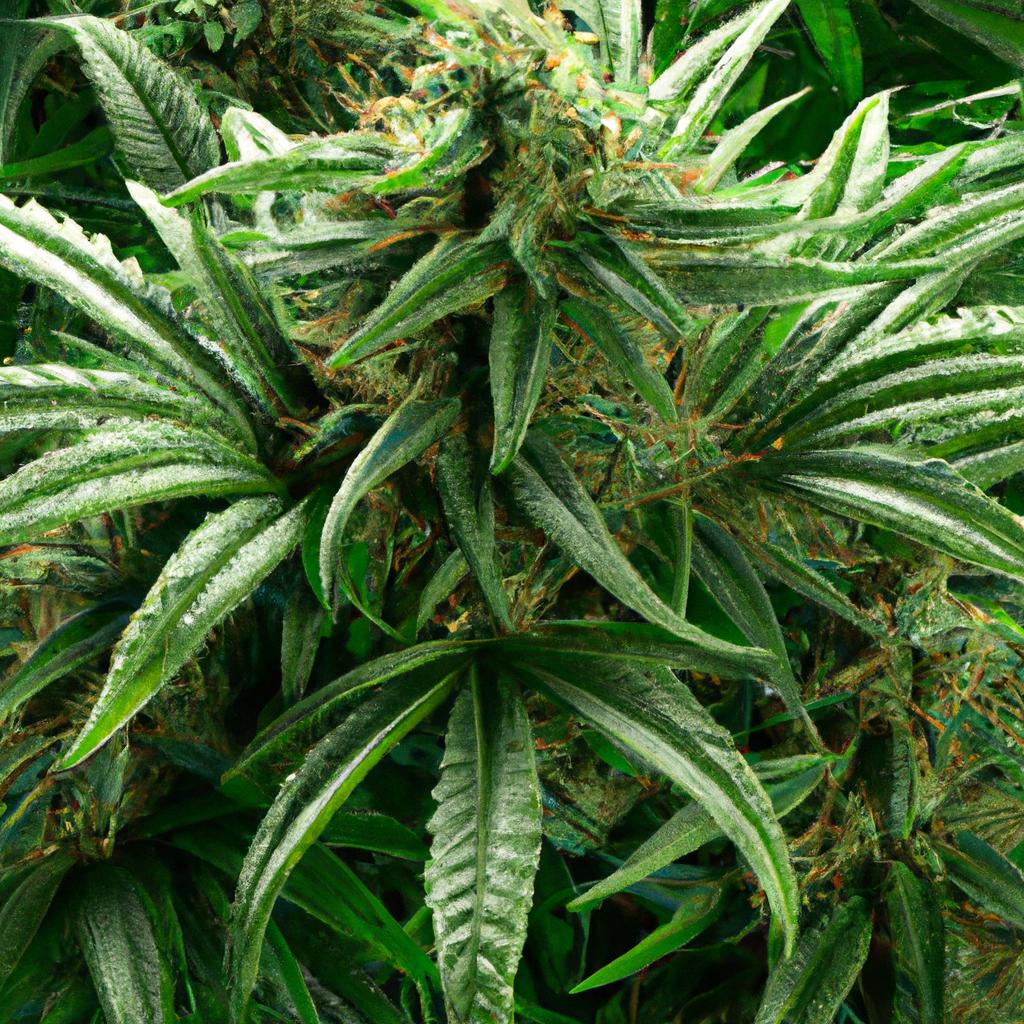
Winterization in Cannabis Extraction: A Visual Walkthrough
When it comes to cannabis extraction and post-processing, achieving purity and potency is paramount. Winterization is a critical step in cannabis extraction that removes unwanted lipids, waxes, and fats to refine the final concentrate. For cannabis enthusiasts, processors, and extractors, understanding winterization offers insight into how science and technology blend to produce high-quality cannabis products.
In this article, we’ll take you through a detailed and visual walkthrough of the winterization process, demonstrating its importance within the broader scope of cannabis technology and extraction science.
What is Winterization in Cannabis Extraction?
Winterization is a post-processing technique aimed at removing unwanted waxes, fats, and lipids from cannabis extracts-usually after initial extraction using solvents like ethanol or butane. This purification step prevents cloudiness and improves the taste and appearance of concentrates such as oils and distillates.
Why is Winterization Crucial?
- Improves purity: Removes undesirable compounds that can degrade the quality.
- Enhances potency: Concentrates become richer in cannabinoids.
- Improves flavor and aroma: Reduces off-flavors by removing waxes and chlorophyll.
- Ensures clarity: produces visually clear and appealing cannabis extracts.
- facilitates better downstream processing: Like distillation and formulation.
The Science Behind Winterization
During cannabis extraction, especially ethanol-based extraction, waxes and lipids dissolve alongside cannabinoids and terpenes. If left untreated, these can crystallize or form cloudy precipitates when heated or cooled.
Winterization uses low temperatures (close to -20°C or colder) to cause these waxy impurities to solidify and separate from the desired cannabinoids dissolved in the solvent. After chilling, filtration removes the solidified waxes, leaving a cleaner extract.
Step-by-Step Visual Walkthrough of Winterization
1.Initial Cannabis Extraction
Visualize the first stage: cannabis biomass subjected to solvent extraction (ethanol, butane, or CO2) to create a crude oil.
This crude extract contains cannabinoids like THC and CBD and also undesirable lipids and waxes.
2. Dilution with Ethanol
The crude oil is diluted with cold ethanol to reduce viscosity and increase the solvent’s ability to precipitate waxes.
Tip: Ethanol is preferred as of its polarity and low melting point.
3. Chilling the Mixture
The diluted cannabis extract is placed in a freezer at -20°C to -40°C for 24 to 48 hours.
At these temperatures,waxes and lipids solidify and become insoluble.
4. Filtration
The solidified waxes are separated using fine filtration equipment-such as vacuum filters or Buchner funnels with filter paper.
Filtered solution is clear and free of unwanted waxes.
5. Solvent Removal & Concentration
The ethanol is then removed via rotary evaporation or distillation, leaving behind a purified cannabis extract with considerably fewer impurities.
| Winterization Step | Purpose | Equipment | Typical Temp/Time |
|---|---|---|---|
| Dilution | Reduce viscosity and prepare for wax precipitation | Mixing vessel | Room temp, 30 mins |
| Chilling | Precipitate waxes | Freezer | -20°C to -40°C, 24-48 hrs |
| Filtration | Remove solidified waxes | Vacuum filter/Buchner funnel | Room temp, 1-2 hrs |
| Solvent Removal | Concentrate the purified extract | Rotary evaporator | 40-60°C, variable |
Benefits of Winterization in Cannabis Processing
Winterization has become a standard technique in cannabis extraction labs for its multitude of benefits:
- Consistent product quality: Helps achieve uniform cannabinoid profiles.
- Higher purity and stability: Extracts last longer without degradation.
- Improved cannabinoid yield: Removes contaminants that interfere with potency measurement.
- Cleaner end products: Essential for vape cartridges, edibles, and tinctures.
Practical Tips for Successful Winterization
- Always use food-grade ethanol for dilution to maintain extraction safety and purity.
- Ensure the freezing temperature is steady and consistent for full wax precipitation.
- Use fine-grade filters (like 5 micron filter paper) to catch even small wax particles.
- Allow sufficient time for chilling-rushing this step can leave waxes unprecipitated.
- Properly dry and store the filtered extract to avoid moisture contamination.
Winterization vs. Othre Cannabis Purification Techniques
Winterization is often compared to other purification methods like distillation and chromatography. Hear’s a simple comparison:
| Purification Method | Removes | Equipment Needed | Advantages |
|---|---|---|---|
| Winterization | Waxes, fats, lipids | Freezer, vacuum filter | Cost-effective, improves clarity |
| Distillation | Terpenes, residual solvents, chlorophyll | short path or wiped film distillation | Highly purified THC/CBD |
| Chromatography | Isolates cannabinoids, removes impurities | Chromatographic columns | Targeted extraction of specific cannabinoids |
conclusion: Winterization as a Cornerstone of Cannabis Extraction
Winterization plays a vital role in the cannabis extraction process by refining crude extracts into high-quality concentrates that meet consumer demands for purity, potency, and flavor. This effective post-processing technique is one of the fundamental pillars of modern cannabis science and technology, bridging the gap between raw botanical material and premium cannabis products.
Whether you’re a seasoned cannabis processor or a curious enthusiast, understanding the science and methodology behind winterization provides invaluable insight into the art and engineering of producing clean cannabis extracts.By meticulously controlling temperature, solvent ratios, and filtration, winterization ensures that the benefits of the cannabis plant are delivered without compromise.
Embrace winterization in your cannabis extraction workflow-it’s the key to unlocking pure, potent, and professional-grade cannabis concentrates.