
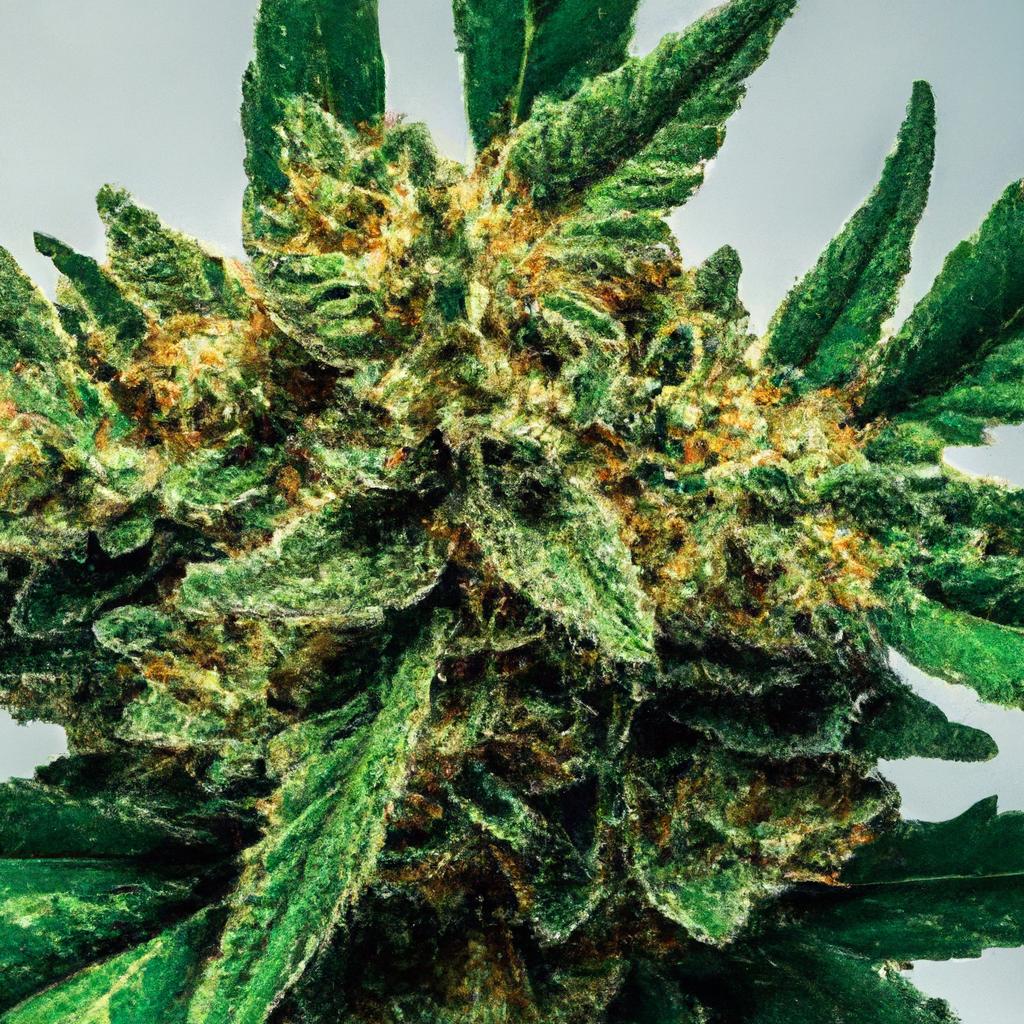
Output Benchmarks: What to Expect at Each Size Tier in Cannabis cultivation
Whether you’re stepping into the cannabis industry or scaling your existing operation,understanding output benchmarks is crucial for realistic goal setting and investment decisions. From boutique home grows to sprawling commercial farms, cannabis cultivation output varies considerably across size tiers. In this extensive guide, we’ll break down what you can expect at small, medium, and large scale grows, how cannabis technology impacts output, and practical tips to improve production efficiency across the board.
Why Understanding Output Benchmarks Matters in Cannabis Cultivation
Cannabis cultivation is more than just planting seeds and harvesting buds. It requires a precise balance of science, technology, and processing know-how to maximize flower yield and product quality. For enthusiasts and professional growers alike, output benchmarks serve as valuable metrics to measure performance, forecast revenue, and choose the right processing equipment.
By establishing clear expectations for each size tier, cultivators can:
- Avoid overestimating production capabilities and costly mistakes.
- Optimize resource allocation like labor,light,and nutrients.
- Invest confidently in cannabis post-processing technology like extraction and trimming equipment.
- Benchmark against industry standards to remain competitive.
Understanding Cannabis Output: Key Variables
Output in cannabis cultivation depends on a myriad of factors beyond simply the size of the grow. Here are some key variables:
- Grow Method: Indoor vs. outdoor vs.greenhouse each have distinct yield potentials and challenges.
- Plant Genetics: Strain and phenotype strongly affect flower density and resin concentration.
- technology: LED lighting, nutrient management, and environmental controls directly influence yields.
- Harvest Frequency: Number of harvest cycles per year impacts annual production.
- Post-Processing Efficiency: Trimming, drying, and curing methods affect final usable product weight.
Output Benchmarks by Size Tier
Let’s explore typical output benchmarks categorized by size tiers in cannabis cultivation. These figures generally represent dry flower yields after proper post-processing.
| Size Tier | Grow Space (sq ft) | Estimated Dry Flower Yield | Typical Operation Type | Key Equipment Used |
|---|---|---|---|---|
| Small Scale | Up to 500 | 5-15 lbs per harvest | Personal grows, micro-cultivators | Basic lighting, manual trimming tools |
| Medium Scale | 500 – 10,000 | 50-200 lbs per harvest | Craft growers, boutique commercial | LED lighting, automated trimming, environmental controls |
| Large Scale | 10,000+ | 500+ lbs per harvest | Commercial cannabis farms, multi-acre greenhouses | Full-scale grow rooms, advanced processing lines, climate automation |
Small Scale output: Ideal For Passionate Growers
Small-scale cannabis cultivators typically work with less than 500 sq ft of grow space. These operations are perfect for personal use or boutique craft projects. With less complex technology-often relying on conventional HID lights and manual labor-output is modest, usually averaging 5 to 15 pounds of dried flower per harvest.
Small growers benefit from:
- Close supervision of each plant.
- Lower startup costs for equipment.
- Flexibility in strain experimentation.
However, labor-intensive trimming and slower processing times are common bottlenecks.
Medium Scale Output: Balancing Volume and Quality
At medium scale (500 to 10,000 sq ft), growers often embrace more sophisticated cannabis technology to boost yield and efficiency. Output typically ranges between 50 to 200 pounds per harvest, making these operations ideal for craft cannabis brands looking to scale.
medium scale grows commonly implement:
- Automated trimming machines to speed post-processing.
- High-performance LED grow lights for energy-efficient photosynthesis.
- Climate control systems to optimize humidity, temperature, and CO2 levels.
- Integrated nutrient delivery technologies.
The combination of automation and controlled environment enhances consistency and product quality, critical for brand reputation.
Large Scale Output: Industrial-Level Production
Large scale cannabis operations exceed 10,000 sq ft and are often multi-acre greenhouse complexes or indoor mega-farms. These giants push boundaries with annual outputs starting at 500 pounds per harvest and going into the thousands.
Large scale cultivators leverage:
- Fully integrated grow and processing facilities.
- State-of-the-art cannabis post processing equipment such as conveyor belt trimming systems and automated drying rooms.
- Data-driven cultivation management software.
- Heavy investment in energy-efficient technologies.
These facilities prioritize maximizing output without sacrificing cannabinoid profile or terpene quality, often supplying wholesale or extraction markets.
Case Study: Medium-Scale Grow Optimizes Output with Technology Investment
Take the exmaple of GreenLeaf Farms, a medium-sized cannabis cultivate & processor. They shifted from traditional HPS lighting to full-spectrum LED arrays and integrated automated trimmers. The result?
- yield increase: +40% dry flower output per harvest
- Labor savings: 30% reduction in trimming time
- Energy savings: 25% decrease in grow room electricity consumption
GreenLeaf’s experience demonstrates how adopting cannabis technology tailored for their size tier boosts profitability and product consistency.
Practical Tips to Maximize Output at Any Tier
- Invest in genetics: Select high-yield, resilient strains validated for your environment.
- Optimize environmental factors: Monitor HVAC, CO2, light spectrum, and nutrients closely.
- Upgrade processing equipment: Automated trimmers, drying racks, and curing chambers save time and preserve quality.
- Standardize operations: Develop SOPs to ensure repeatable output and simplify scaling.
- Use data analytics: Leverage cultivation software for real-time monitoring and yield forecasting.
Conclusion: Benchmarking Output is key to Cannabis Cultivation success
Knowing what to expect in cannabis output at different size tiers helps growers set achievable goals, optimize investments in technology, and improve operational efficiency. From small personal grows to expansive commercial farms, output benchmarks guide decisions around grow methodologies, equipment choice, and processing techniques.
whether you’re looking to scale up or just getting started, consider these benchmarks as a foundation-not a ceiling. With continual innovation in cannabis science and technology, the potential to elevate output performance is greater than ever. Embrace best practices,experiment wisely,and your cannabis cultivation enterprise can thrive in every size tier.