
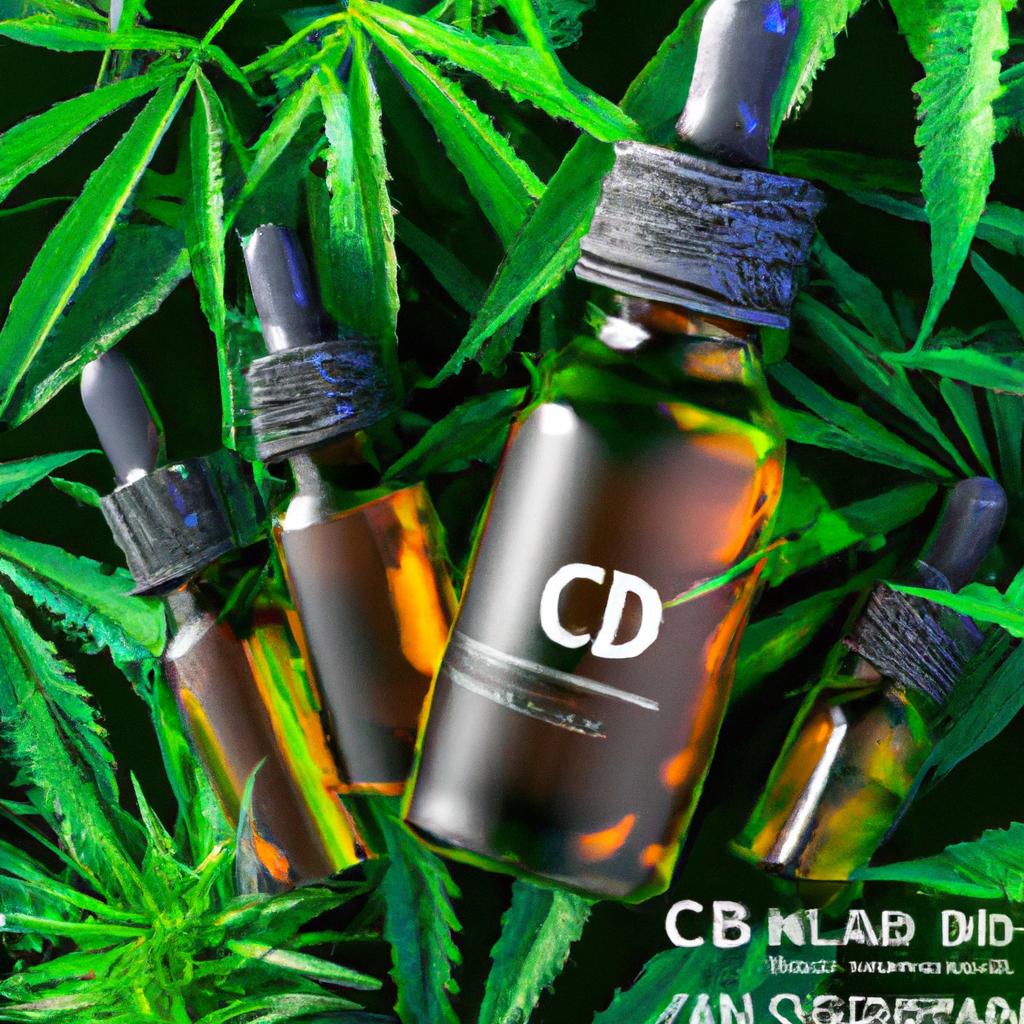
Best Practices for Preventing Contamination in CBD Oils
The cannabis industry has rapidly evolved over the past decade, with CBD oils becoming one of the most popular cannabis-derived products worldwide. These oils, celebrated for their therapeutic benefits, rely heavily on purity and safety to maintain consumer trust and regulatory compliance. Contamination prevention is a vital facet of cannabis post-processing and processing equipment utilization – ensuring every drop of CBD oil is clean,safe,and effective.
In this article, we’ll explore complete best practices for preventing contamination in CBD oils, demonstrating how these fit within the broader sphere of cannabis science and technology.From advanced cannabis processing equipment to hygienic protocols, the journey towards premium-quality CBD oils is intricate but manageable.
Understanding Contamination in CBD Oils
Contamination in CBD oils can arise from multiple sources including microbial pathogens,heavy metals,residual solvents,pesticides,and foreign matter. The cannabis plant’s natural composition makes it susceptible to contaminant accumulation, especially if growth, harvesting, or processing practices are subpar.
Contaminated CBD oils pose meaningful health risks and can lead to regulatory penalties and product recalls. This underscores the importance of implementing stringent contamination control measures during cannabis post-processing.
How Preventing contamination fits into the Cannabis Industry
The prevention of contamination is a cornerstone of cannabis technology and cannabis science, particularly during extraction and refinement phases involving specialized processing equipment. Clean processing environments combined with scientific quality control ensure that CBD products not only meet but exceed regulatory standards.
With the rise of consumer awareness and government intervention in cannabis markets globally,companies focusing on contamination prevention establish themselves as trustworthy leaders – crucial for long-term business sustainability.
Best Practices for Preventing contamination in CBD Oils
1. Source High-Quality Raw Cannabis Material
The foundation of contamination-free CBD oil begins with selecting cannabis plants grown under certified organic or pesticide-free conditions. Industrial hemp farms should practice safe agricultural methods:
- Soil testing to avoid heavy metal uptake
- Pest management with organic treatments
- Avoidance of chemical fertilizers or herbicides
- Harvesting at optimal maturity to reduce microbial load
2. Employ Advanced Cannabis Extraction Technologies
Extraction methods considerably influence CBD oil purity. Best practices include:
- Supercritical CO2 Extraction: Clean, solvent-free method reducing residual contaminants.
- Hydrocarbon Extraction: Requires rigorous equipment cleaning to eliminate solvent residues.
- Ethanol extraction: Should be followed by effective solvent recovery and filtration.
Utilizing cutting-edge cannabis processing equipment designed for contamination control helps maintain product integrity.
3. Regular Sanitization of Processing Equipment
Cannabis post-processing equipment,including extraction vessels,filtration systems,and storage tanks,must be regularly cleaned and sanitized to eliminate microbial buildup and avoid cross-contamination.
- schedule routine deep cleaning cycles with food-grade sanitizers.
- Train staff on utensils and surfaces sterilization protocols.
- implement equipment maintenance logs for traceability.
4. Control Environmental Conditions in Production Facilities
Maintaining cleanroom conditions and controlled environments reduces airborne contamination risks:
- Maintain regulated humidity and temperature levels.
- Install HEPA filtration in processing areas.
- Establish gowning and hygiene requirements for staff.
- Design facility layout to separate raw materials from finished products.
5. Comprehensive Testing and Quality assurance
Implementing rigorous testing throughout the production process ensures contaminants do not reach the final product:
- Microbial assays for bacteria, mold, and yeast.
- Heavy metal screening (lead, arsenic, mercury, cadmium).
- Pesticide residue analysis.
- Solvent residue checks post-extraction.
- Potency and cannabinoid profiling for consistency.
Adhering to third-party lab certifications enhances product credibility.
Benefits of Adhering to Contamination Prevention Best Practices
- Consumer Safety: Safeguards customers from harmful exposures.
- Regulatory Compliance: Meets increasingly strict local and international cannabis laws.
- Brand Reputation: Builds customer trust through product transparency and quality assurance.
- extended Shelf Life: Reduces spoilage and degradation of CBD oils.
- Operational Efficiency: Minimizes costly recalls and reprocessing.
Practical Tips for Cannabis Producers and Processors
- Invest in Staff Training: Educate personnel on GMP (Good Manufacturing Practices).
- Monitor Critical Control Points: Use HACCP (Hazard Analysis and Critical Control Points) frameworks in processing.
- Adopt Documentation: Maintain batch records, cleaning schedules, and lab test reports.
- Use Automation: Where feasible, automate extraction and bottling to lower human contamination risk.
- Stay Updated: Keep up with cannabis science breakthroughs and regulatory changes.
Case Study: Accomplished Contamination Prevention in a Leading CBD Oil Producer
GreenLeaf Naturals, a pioneer in the cannabis industry, revamped its production line by integrating supercritical CO2 extraction and installing ISO-certified clean room facilities. By enforcing daily sanitization protocols and third-party batch testing, contamination rates dropped below 0.01%. This initiative increased consumer confidence and boosted market share by 35% within 12 months.
Summary Table: Common Contaminants & Prevention Methods
| Contaminant | Potential Source | Prevention Method |
|---|---|---|
| Microbial (bacteria, mold) | poor hygiene, improper drying/storage | Sanitized equipment, cleanrooms, moisture control |
| Heavy Metals | Contaminated soil, water | Source testing, hemp strain selection |
| Pesticides | Unsafe agricultural practices | Organic farming, residue testing |
| Residual Solvents | Extraction process | Proper solvent recovery, CO₂ extraction |
| Foreign Matter | Handling, packaging | Strict GMP, sealed containers |
Conclusion
Preventing contamination in CBD oils is essential to producing safe, high-quality cannabis products that stand out in a competitive marketplace. By leveraging advancements in cannabis science, employing state-of-the-art cannabis processing equipment, and adhering to stringent hygiene and quality control protocols, producers can secure consumer trust and regulatory compliance.
Whether you are a cannabis processor or a consumer, understanding these best practices empowers better decision-making for health and business success. As the cannabis industry matures, contamination prevention will remain a critical pillar of its evolution – promising cleaner, purer, and more effective CBD products.