
The traditional classification of cannabis into indica, sativa, and hybrid categories has shaped consumer expectations and marketing strategies for decades. However, as extraction technology advances and our understanding of cannabis chemistry deepens, a critical question emerges: does this classic strain taxonomy still hold relevance for extraction professionals? The answer reveals a complex interplay between plant genetics, chemical composition, and extraction methodology that challenges conventional wisdom while opening new possibilities for product development and quality optimization.
The Evolution of Cannabis Classification
Traditional Strain Theory
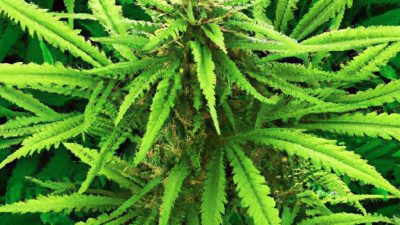
The indica versus sativa classification system originated from botanical observations of plant morphology and growth patterns. Indica plants were characterized as short, bushy specimens with broad leaves and sedating effects, while sativas were described as tall, thin plants with narrow leaves and energizing properties. Hybrids represented crosses between these two fundamental types, theoretically combining characteristics from both parent lineages.
This classification system became deeply embedded in cannabis culture, with consumers expecting indica strains to provide relaxation and body effects, sativas to deliver cerebral stimulation and energy, and hybrids to offer balanced experiences. Extraction professionals have traditionally relied on these classifications to predict extract characteristics and market positioning.
Modern Scientific Understanding
Contemporary cannabis research has revealed significant limitations in the traditional indica/sativa framework. Genetic analysis demonstrates that most modern cannabis varieties are actually complex hybrids with genetic contributions from multiple lineages. The simple binary classification fails to capture the intricate genetic diversity present in today’s cannabis cultivars.
More importantly for extraction professionals, the traditional classification system shows poor correlation with the chemical profiles that actually determine extract characteristics and therapeutic effects. Two strains classified as “indica” may produce dramatically different chemical compositions, while a “sativa” and “indica” might share remarkably similar cannabinoid and terpene profiles.
Chemical Composition: The Real Driver of Extract Quality
Cannabinoid Profiles Across Classifications
Modern analytical testing reveals that cannabinoid ratios vary significantly within traditional strain categories. Some indica-classified strains produce high-THC, low-CBD profiles typically associated with energizing effects, while certain sativa-classified varieties yield balanced THC:CBD ratios often linked to more mellow experiences.
For extraction professionals, this variability means that strain classification alone cannot predict extract potency, therapeutic potential, or consumer effects. Laboratory analysis of individual cultivars becomes essential for understanding the actual chemical composition that will influence extraction outcomes and product characteristics.
Terpene Diversity and Effects
Terpenes represent perhaps the most significant factor distinguishing cannabis extracts, yet terpene profiles show little correlation with traditional indica/sativa classifications. Myrcene, often associated with sedating effects, appears in both indica and sativa strains. Similarly, limonene and pinene, linked to alertness and focus, can be found across all traditional categories.
The terpene profile of a particular cultivar depends more on specific genetic lineage, growing conditions, and harvest timing than on broad indica/sativa classification. This reality has profound implications for extraction planning, as terpene preservation strategies must be tailored to individual chemical profiles rather than assumed characteristics based on traditional strain categories.
Extraction Considerations Across Plant Types
Physical Plant Characteristics
While chemical composition matters most for extract quality, physical plant characteristics associated with traditional classifications do impact extraction processes. Indica-type plants typically produce denser flower structures with higher trichome densities, potentially affecting extraction efficiency and requiring adjusted processing parameters.
Sativa-type plants often feature more open flower structures with different trichome distributions, which may influence optimal extraction techniques and solvent contact times. These physical differences require extraction professionals to adjust their processes based on plant morphology rather than assumed chemical characteristics.
Yield Variations and Processing Efficiency
Extraction yields can vary significantly between different plant morphologies, but these variations correlate more strongly with trichome density, flower structure, and cultivation methods than with traditional strain classifications. Dense, resinous flowers typically yield higher extract percentages regardless of whether they’re classified as indica, sativa, or hybrid.
Processing efficiency also depends on physical characteristics like moisture content, plant material density, and trichome fragility—factors that may correlate with growing conditions and harvest practices more than traditional strain categories.
The Rise of Chemotype Classification
Scientific Approach to Cannabis Categorization
Progressive extraction facilities are adopting chemotype-based classification systems that categorize cannabis based on actual chemical composition rather than morphological assumptions. This approach recognizes that cannabinoid and terpene profiles provide more accurate predictions of extract characteristics and consumer effects.
Chemotype I varieties are high-THC, low-CBD cultivars regardless of traditional classification. Chemotype II represents balanced THC:CBD ratios, while Chemotype III indicates CBD-dominant profiles. This system provides extraction professionals with more relevant information for process planning and product development.
Practical Implementation in Extraction Operations
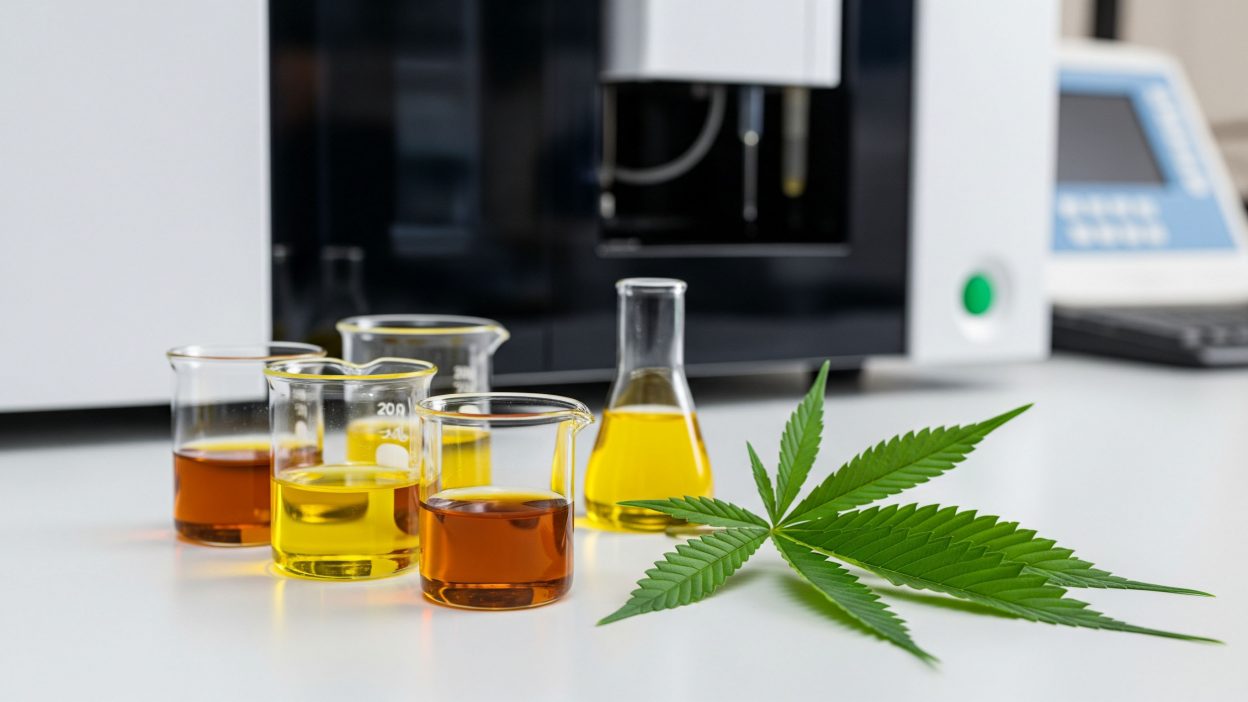
Leading extraction facilities now conduct comprehensive chemical analysis before processing, creating detailed profiles that guide extraction parameter selection. This data-driven approach allows for optimization of temperature, pressure, and timing based on actual chemical composition rather than assumptions derived from traditional strain names.
The chemotype approach also enables more accurate product labeling and consumer education, as extract characteristics can be predicted based on measurable chemical components rather than historical strain mythology.
Impact on Product Development and Marketing
Consumer Education and Expectations
The disconnect between traditional strain classifications and actual extract effects creates challenges for consumer education. Many consumers still expect indica extracts to be sedating and sativa extracts to be energizing, regardless of actual chemical composition.
Progressive extraction companies are leading consumer education efforts, emphasizing cannabinoid and terpene profiles over traditional strain categories. This shift requires investment in analytical testing and consumer outreach but ultimately results in more satisfied customers and fewer product returns.
Market Differentiation Through Chemistry
Extraction professionals who embrace chemical profiling gain significant competitive advantages in product development. Rather than being limited to traditional strain-based marketing, they can create products targeted to specific effects or therapeutic applications based on actual chemical composition.
This approach enables development of consistent product lines where effects can be predicted and replicated regardless of the specific cultivars used as source material, providing valuable brand differentiation in competitive markets.
Quality Control and Standardization
Batch Consistency Challenges
Traditional strain-based extraction assumes that plants with the same name will produce similar extracts, but genetic drift, cultivation variations, and environmental factors can create significant batch-to-batch variability even within the same strain designation.
Chemical profiling enables extraction facilities to implement quality control measures based on actual composition, ensuring consistent extract characteristics across production runs. This standardization becomes increasingly important as cannabis markets mature and regulatory requirements become more stringent.
Regulatory Compliance and Documentation
Many jurisdictions require detailed chemical analysis and documentation for cannabis extracts, making traditional strain classifications inadequate for compliance purposes. Comprehensive chemical profiling provides the documentation necessary for regulatory compliance while supporting quality assurance programs.
The Future of Strain Relevance in Extraction
While traditional indica/sativa/hybrid classifications retain cultural significance and marketing value, their practical relevance for extraction operations continues to diminish. The future belongs to extraction professionals who embrace chemical profiling, analytical testing, and data-driven processing decisions.
Strain names may persist as marketing tools and cultural identifiers, but extraction success increasingly depends on understanding the complex chemical compositions that determine extract quality, consistency, and effects. The most successful extraction operations will be those that adapt to this scientific reality while educating consumers about the true drivers of cannabis extract characteristics.
The question isn’t whether strain classification will disappear entirely, but rather how quickly the industry will embrace more accurate, science-based approaches to cannabis categorization and extraction optimization.