
Commercial cannabis laboratories face mounting pressure to deliver consistent, high-quality extracts while maintaining the highest safety standards and operational efficiency. Traditional extraction methods often force lab operators to choose between safety and performance, but aerosol extractors utilizing R134a technology have emerged as the game-changing solution that delivers both. These innovative systems are revolutionizing commercial extraction by eliminating the inherent dangers of flammable solvents while providing superior extraction results that meet the demanding requirements of today’s cannabis market.
Understanding Aerosol Extraction Technology
Aerosol extractors represent a sophisticated evolution in cannabis processing equipment, utilizing R134a (1,1,1,2-Tetrafluoroethane) as the primary extraction medium. Unlike traditional liquid-based extraction methods, aerosol extraction leverages the unique properties of R134a in its aerosol state to penetrate plant material more effectively while maintaining gentle processing conditions that preserve delicate compounds.
The aerosol delivery mechanism creates an optimal interface between solvent and plant material, maximizing contact surface area while minimizing processing time. This enhanced contact efficiency allows for more complete extraction of cannabinoids and terpenes compared to traditional immersion methods, resulting in higher yields and more consistent product quality across production runs.
The R134a Advantage in Commercial Operations
Proven Safety Profile
R134a brings decades of safety validation from its widespread use in automotive air conditioning, medical inhalers, and food processing applications. This refrigerant-grade compound is non-flammable, non-explosive, and non-toxic under normal operating conditions, eliminating the catastrophic fire and explosion risks associated with hydrocarbon extraction systems.
For commercial laboratories, this safety profile translates directly into reduced insurance costs, simplified facility requirements, and elimination of the expensive safety infrastructure required for Class 1 Division 1 environments. Labs can operate aerosol extractors in standard commercial spaces without specialized explosion-proof electrical systems or extensive ventilation requirements.
Regulatory Compliance Simplified
The pharmaceutical-grade safety profile of R134a aligns perfectly with evolving cannabis regulations that increasingly emphasize product safety and manufacturing standards. Many jurisdictions are implementing stricter requirements for extraction facility safety, making the inherent safety advantages of R134a extraction a competitive necessity rather than simply a preference.
Equipment Design and Operational Efficiency
Closed-Loop System Architecture
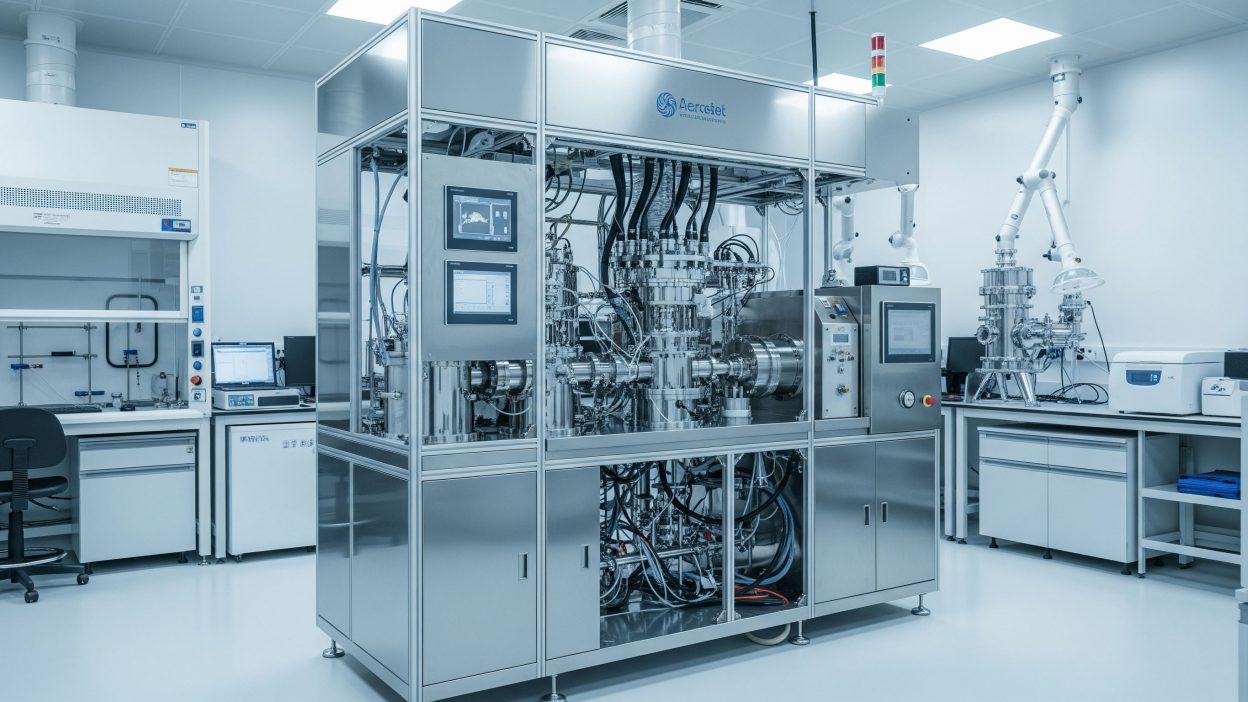
Modern aerosol extractors employ sophisticated closed-loop designs that maximize solvent recovery while minimizing environmental impact. These systems typically achieve solvent recovery rates exceeding 99%, reducing operational costs and eliminating concerns about solvent waste disposal. The closed-loop architecture also ensures consistent processing conditions across production runs, critical for maintaining product quality standards in commercial operations.
Pressure and Temperature Control
Aerosol extractors operate at significantly lower pressures than supercritical CO₂ systems while maintaining superior extraction efficiency. Typical operating pressures range from 150-300 PSI, compared to the 1,500-5,000 PSI required for CO₂ extraction. This lower pressure operation reduces equipment costs, simplifies maintenance requirements, and minimizes the risk of pressure-related equipment failures.
Temperature control in aerosol extraction systems allows for precise preservation of heat-sensitive terpenes. Many systems operate at or below ambient temperatures, preventing thermal degradation of valuable aromatic compounds that define product quality and therapeutic potential.
Production Advantages for Commercial Labs
Higher Throughput Capabilities
Aerosol extractors demonstrate superior processing speed compared to traditional extraction methods. The enhanced mass transfer characteristics of aerosol delivery allow for complete extraction in single passes, eliminating the multiple extraction cycles required by other methods. This efficiency translates directly into higher daily throughput and improved return on equipment investment.
Commercial labs report processing times 40-60% faster than comparable CO₂ systems, with some aerosol extractors capable of processing 50+ pounds of material per day in continuous operation. This throughput advantage becomes increasingly important as cannabis markets mature and price competition intensifies.
Consistent Product Quality
The precise control possible with aerosol extraction systems ensures consistent product quality across production runs. Automated pressure, temperature, and timing controls eliminate human variability in processing parameters, resulting in standardized extracts that meet strict quality specifications.
The selective extraction characteristics of R134a naturally exclude many unwanted compounds, including chlorophyll, plant waxes, and water-soluble impurities. This selectivity reduces the need for extensive post-processing while improving the sensory characteristics of final products.
Economic Analysis for Commercial Implementation
Capital Equipment Costs
Aerosol extractors typically require 30-50% lower capital investment compared to equivalent-capacity CO₂ systems. The lower pressure operation eliminates the need for expensive high-pressure pumps, precision pressure vessels, and specialized control systems required for supercritical extraction. This reduced complexity makes aerosol extraction accessible to smaller commercial operations while providing attractive returns for larger facilities.
Operational Cost Advantages
The operational efficiency of aerosol extractors extends beyond processing speed to include reduced energy consumption, minimal post-processing requirements, and lower maintenance costs. Energy consumption is typically 40-60% lower than CO₂ systems due to reduced compression requirements and elimination of energy-intensive heating and cooling cycles.
The minimal post-processing requirements of R134a extracts eliminate the need for winterization equipment, extensive filtration systems, and additional purification steps. This reduction in ancillary equipment requirements further improves the economic proposition of aerosol extraction systems.
Installation and Facility Requirements
Simplified Facility Integration
Aerosol extractors can be installed in standard commercial spaces without the extensive facility modifications required for other extraction methods. The elimination of explosion-proof electrical requirements, specialized ventilation systems, and reinforced flooring reduces total project costs and accelerates time to operation.
Most aerosol extraction systems have compact footprints that maximize production capacity per square foot of facility space. This efficiency is particularly valuable in markets where real estate costs represent a significant operational expense.
Maintenance and Service Considerations
The lower pressure operation and simplified component design of aerosol extractors result in reduced maintenance requirements compared to high-pressure CO₂ systems. Routine maintenance procedures can typically be performed by in-house technical staff, reducing dependence on specialized service providers and minimizing production downtime.
Quality Control and Laboratory Integration
Process Monitoring and Documentation
Modern aerosol extractors incorporate comprehensive process monitoring systems that document extraction parameters for quality control and regulatory compliance. Real-time monitoring of pressure, temperature, flow rates, and processing times provides the documentation required for good manufacturing practices (GMP) compliance.
Analytical Compatibility
Extracts produced by aerosol extraction systems are fully compatible with standard analytical testing methods, including gas chromatography for potency analysis and residual solvent testing. The clean extraction profile of R134a eliminates interference with analytical procedures while ensuring accurate test results.
Future-Proofing Commercial Operations
The cannabis industry’s trajectory toward pharmaceutical-grade manufacturing standards makes the safety and quality advantages of aerosol extraction increasingly valuable. As regulations continue to evolve and competition intensifies, the operational advantages of R134a aerosol extraction position commercial labs for long-term success.
Investment in aerosol extraction technology represents more than equipment acquisition—it’s a strategic decision that addresses safety, quality, efficiency, and regulatory compliance in a single solution. For commercial laboratories seeking to build sustainable, profitable operations that meet the highest industry standards, aerosol extractors utilizing R134a technology offer the comprehensive advantages necessary for competitive success in the evolving cannabis market.