
In the competitive and ever-innovating world of cannabis processing, choosing the right extraction method is a critical decision that impacts everything from product quality and safety to operational efficiency and profitability. Among the top-tier technologies, CO₂ extraction has long been hailed as a gold standard. But as we navigate 2024, is it still the undisputed champion?
This in-depth look at the pros and cons of CO₂ cannabis extraction will provide clarity for businesses and enthusiasts alike, exploring the nuances of this sophisticated method in today’s market.
What is CO₂ Extraction and How Does it Work?
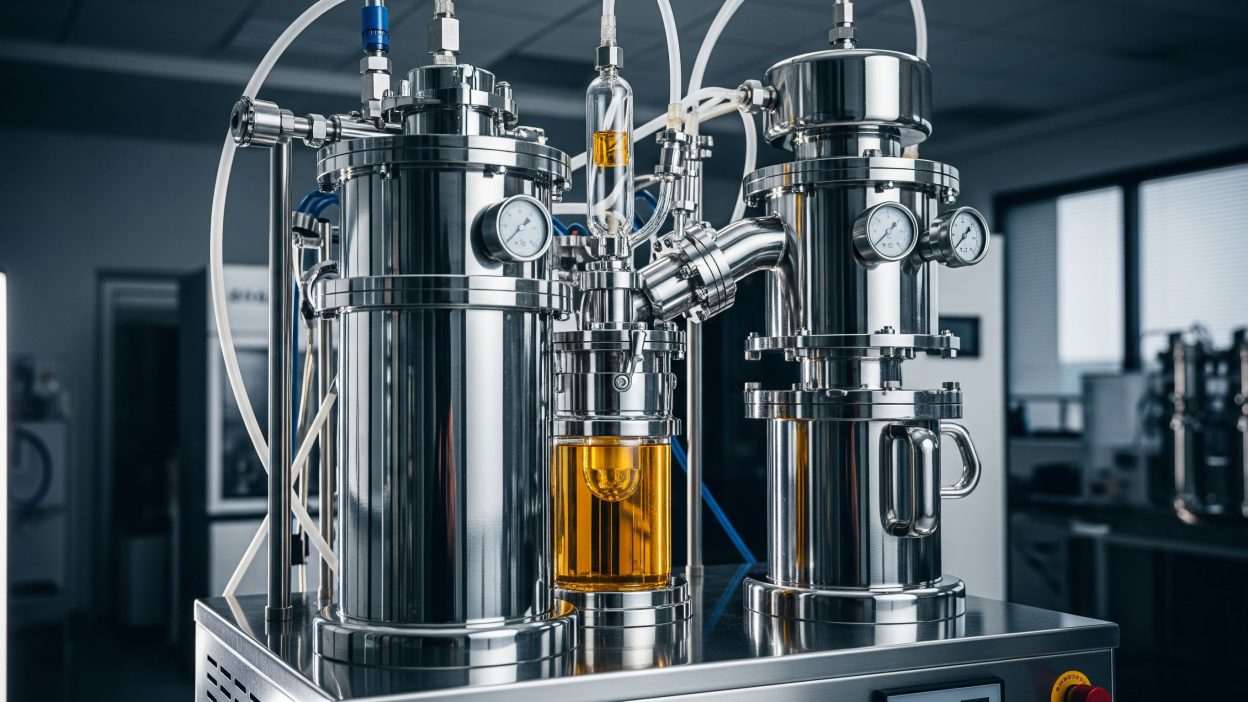
CO₂ (Carbon Dioxide) extraction is a process that uses pressurized carbon dioxide to pull cannabinoids, terpenes, and other desirable compounds from the cannabis plant. By manipulating temperature and pressure, CO₂ can be converted into a “supercritical” state, where it behaves like both a liquid and a gas. This supercritical fluid acts as a highly effective and clean solvent that can be finely tuned to target specific molecules.
The process generally involves three key stages:
- Pressurization and Heating: Gaseous CO₂ is subjected to high pressure and temperature, bringing it to its supercritical state.
- Extraction: The supercritical CO₂ is then passed through a chamber containing the raw cannabis material. It efficiently dissolves the cannabinoids and terpenes from the plant matter.
- Separation: The resulting mixture is moved to a separator, where the pressure is lowered. This causes the CO₂ to return to its gaseous state, leaving behind a pure, solvent-free cannabis extract. The CO₂ gas is then collected and recycled for future extractions, making the process highly sustainable.
The Enduring Pros of CO₂ Extraction
CO₂ extraction maintains its esteemed reputation for several compelling reasons, making it a top choice for many of the industry’s leading brands.
Unmatched Purity and Safety
The most significant advantage of CO₂ extraction is the purity of the final product. Because CO₂ is a naturally occurring, non-toxic substance, it leaves behind no harmful residual solvents. This is a crucial factor for health-conscious consumers and for producers aiming to meet stringent regulatory standards, particularly in the medicinal cannabis market. The final extract is clean, safe, and a true representation of the plant’s profile.
Unrivaled Tunability and Selectivity
A key benefit of modern CO₂ systems is their remarkable “tunability.” By precisely adjusting the temperature and pressure, extractors can target specific compounds. This allows for the creation of a wide range of products, from full-spectrum extracts rich in both cannabinoids and terpenes to highly refined distillates and isolates. This level of control is harder to achieve with other solvent-based methods.
This precision is further enhanced through different CO₂ states:
- Supercritical CO₂: Ideal for its high solvency power, supercritical CO₂ is excellent for extracting a broad range of compounds, resulting in higher yields.
- Subcritical CO₂: This method uses lower temperatures and pressures, making it gentler on the plant material. It is particularly adept at preserving the more volatile and delicate terpenes, resulting in extracts with a more robust and nuanced aromatic profile.
Environmental Friendliness
In an industry increasingly focused on sustainability, CO₂ extraction shines. The closed-loop systems used in this process recycle the carbon dioxide, minimizing waste and environmental impact. CO₂ itself is a non-polluting and readily available resource.
The Cons of CO₂ Extraction in 2024
Despite its numerous advantages, CO₂ extraction is not without its drawbacks, which are important considerations for any extraction business.
High Initial Investment
The most significant barrier to entry for CO₂ extraction is the initial capital cost. The sophisticated equipment required to handle the high pressures and precise temperatures is expensive, with high-end systems running into hundreds of thousands of dollars. This can be a prohibitive investment for smaller startups and boutique producers.
Slower Extraction Times
Compared to some other methods, particularly hydrocarbon extraction, the CO₂ process can be more time-consuming. While modern systems have become more efficient, the time required for a complete extraction cycle can impact overall throughput, a critical factor for large-scale operations.
Potential for Terpene Loss
While subcritical CO₂ extraction is excellent for terpene preservation, the more common high-pressure, high-temperature supercritical method can lead to the degradation of some of the more volatile terpenes. This requires skilled operators and potentially a two-step process (a subcritical run for terpenes followed by a supercritical run for cannabinoids) to capture the full profile, adding complexity to the operation.
Operational Complexity
Operating a CO₂ extraction system requires a higher level of technical expertise compared to simpler methods. The need to precisely control temperature and pressure to achieve desired results means that skilled and well-trained technicians are essential for consistent, high-quality output.
How CO₂ Stacks Up Against Other Methods in 2024
To fully appreciate the position of CO₂ extraction, it’s helpful to compare it to other popular methods.
- Ethanol Extraction: Ethanol is a highly efficient solvent capable of producing high-volume, full-spectrum extracts. It is generally more cost-effective to set up and operate than CO₂ systems. However, ethanol has a tendency to co-extract undesirable compounds like chlorophyll and waxes, often necessitating extensive post-processing to achieve a clean final product.
- Hydrocarbon Extraction (Butane/Propane): Hydrocarbon extraction is lauded for its ability to produce flavorful extracts with excellent terpene preservation, such as live resin. The equipment is typically less expensive than CO₂ systems, and the process is faster. However, the highly flammable nature of hydrocarbon solvents poses significant safety risks and requires specialized, explosion-proof facilities and stringent safety protocols.
The Verdict: Is CO₂ Still a Premier Choice?
For 2024, CO₂ extraction remains a premier, top-tier method for producing high-quality, pure, and safe cannabis extracts. Its reputation for cleanliness and selectivity is well-deserved, making it the go-to choice for medical-grade products and premium consumer brands that prioritize purity above all else.
While the high initial investment and operational complexity are significant considerations, advancements in technology are continually improving efficiency and accessibility. For businesses with the capital and expertise, CO₂ extraction offers a level of control and a commitment to safety and sustainability that is hard to beat.
Ultimately, the “best” extraction method depends on the specific goals of the producer, the target market, and the desired final product. However, there is no denying that CO₂ extraction continues to be a powerful and relevant force in the cannabis industry, consistently delivering some of the cleanest and most versatile extracts on the market today.