
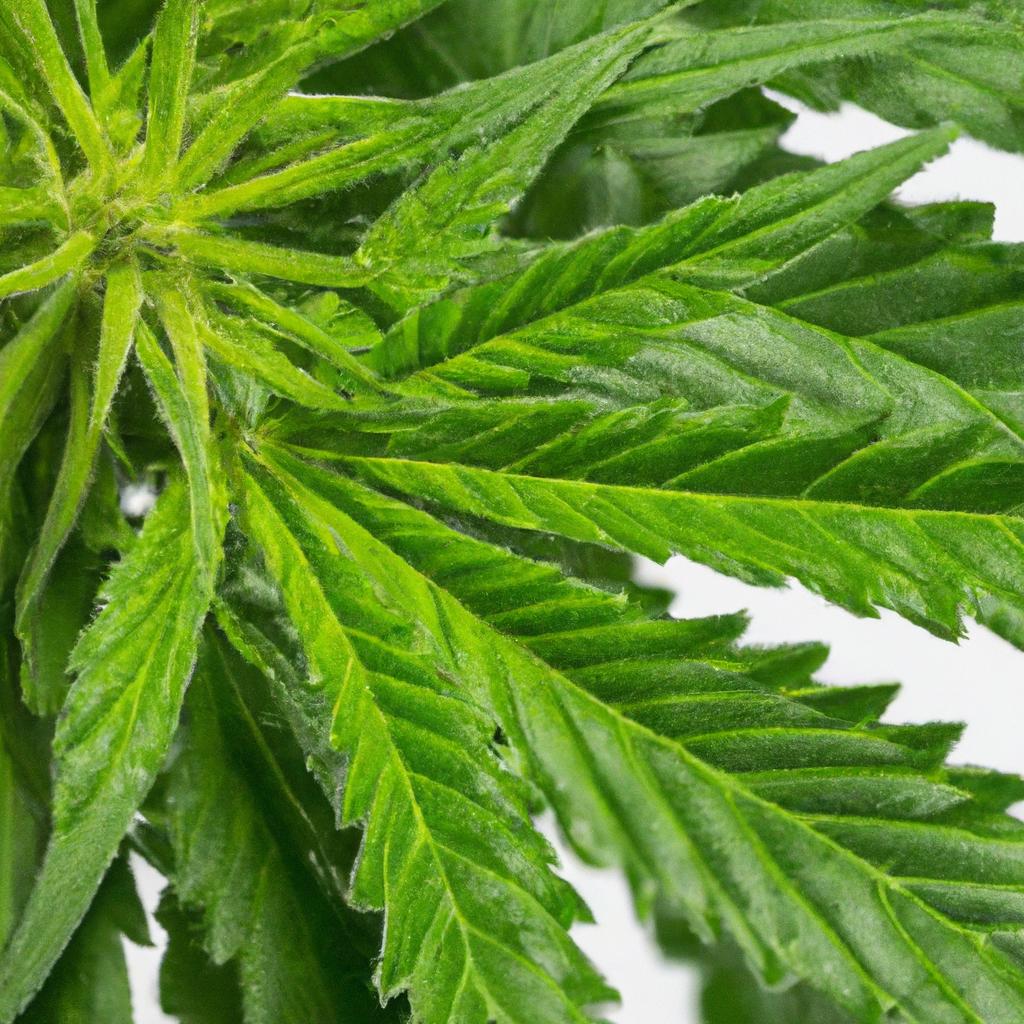
How to produce THC-Free Extracts with High Minor Cannabinoids
The cannabis industry is rapidly evolving, and so is the science behind cannabis extracts.While THC has traditionally been the star cannabinoid for its psychoactive effects, there’s a growing demand for cannabis extracts that are free of THC but rich in minor cannabinoids. These THC-free yet potent extracts open doors for consumers seeking the therapeutic benefits of cannabis without psychoactive effects. In this article,we’ll dive into proven methods and advanced cannabis post-processing techniques to produce high-quality,THC-free extracts with elevated levels of minor cannabinoids.
Understanding the Role of Minor Cannabinoids in Cannabis
Before we explore extraction methods, it’s vital to highlight what minor cannabinoids are and why they matter. While tetrahydrocannabinol (THC) and cannabidiol (CBD) dominate cannabis research, over 100 minor cannabinoids like CBG (cannabigerol), CBC (cannabichromene), CBN (cannabinol), and THCV (tetrahydrocannabivarin) have distinct therapeutic potentials. These minor cannabinoids can provide anti-inflammatory, neuroprotective, and anxiolytic effects without the psychoactivity linked to THC.
Why Produce THC-Free Extracts with High Minor Cannabinoids?
- Legal Compliance: many regions regulate THC content stringently; THC-free extracts comply with these laws while retaining beneficial cannabinoids.
- broader Market Appeal: Non-psychoactive products address customers seeking natural relief without impairment.
- Medical Potential: Minor cannabinoids show promising health benefits that can be targeted with clean, THC-free extracts.
Key Cannabis processing Techniques for THC-Free, Minor Cannabinoid-Rich Extracts
The quality of cannabinoids in the final extract begins with smart selection and precise processing. Here’s a step-by-step breakdown of how this is achieved.
1. Starting Material Selection: chemotype and Cultivar Importance
Selecting cannabis cultivars or hemp strains naturally low in THC and naturally rich in minor cannabinoids is the foundational step. Cultivars engineered or bred for high CBG or CBC content can yield extracts with a superior minor cannabinoid profile.
2.Extraction Methods Optimized for Minor Cannabinoids
Extraction technology greatly impacts the cannabinoid spectrum. Common methods include:
- Supercritical CO₂ Extraction: Allows fine-tuning parameters (temperature, pressure) to selectively extract minor cannabinoids while minimizing THC.
- Hydrocarbon Extraction: Using butane or propane in controlled environments can yield rich cannabinoid profiles but requires skilled processing to avoid THC carryover.
- Ethanol Extraction: Ideal for large-scale production; protocol modifications can reduce THC solubility in the final extract.
3. Post-Extraction Refinement and Cannabinoid Isolation
After initial extraction, further processing is essential to remove residual THC and enhance minor cannabinoids.
Chromatography for THC Removal
One of the most effective ways to eliminate THC is chromatography, which separates cannabinoids based on chemical properties. Common chromatography techniques include:
- Flash Chromatography
- Preparative HPLC (High-Performance Liquid Chromatography)
- Simulated Moving Bed (SMB) Chromatography
Chromatography can reduce THC levels to non-detectable amounts (<0.01%) while concentrating minor cannabinoids like CBG or CBC.
Winterization and Decarboxylation Control
These processes remove unwanted waxes and control conversion of cannabinoid acids. Decarboxylation temperature and timing adjustments preserve sensitive minor cannabinoids.
4. analytical Testing for Quality Control
Lab testing using techniques like GC-MS (Gas Chromatography-Mass Spectrometry) or LC-MS (Liquid Chromatography-mass Spectrometry) confirms the cannabinoid profile and THC absence. Rigorous testing ensures consistent, compliant products.
Benefits of High Minor Cannabinoid, THC-Free Cannabis Extracts
Producing these specialized extracts unlocks multiple advantages:
- Non-psychoactive Therapeutics: Consumers can experience relief without intoxication.
- Expanded Medical Applications: Target specific symptoms where minor cannabinoids excel, like inflammation or pain.
- Greater Consumer Trust: Transparent, tested products build brand credibility in a competitive market.
- Compliance with International Regulations: Facilitates export-ready formulations in strict markets.
Practical Tips for Cannabis Processors and Extractors
- Invest in High-quality Analytical equipment: Real-time cannabinoid profiling speeds process adjustments.
- use Cultivars with Verified Genetics: Partner with breeders focused on minor cannabinoid-rich hemp strains.
- Optimize Extraction Parameters: Experiment with temperature and solvent ratios to maximize minor cannabinoids.
- Train Staff on Chromatography Techniques: Proper skill sets are vital for precise THC removal without cannabinoid loss.
- Continuously Update on Regulatory Changes: Laws evolve; compliance impact both production and marketing.
Case Study: Producing CBG-Rich, THC-Free Extracts with Supercritical CO₂
A leading cannabis processor recently leveraged supercritical CO₂ extraction to produce a CBG-dominant extract with less than 0.01% THC. Their workflow included:
- Starting with hemp flower bred for high CBG and under 0.3% THC.
- Optimizing CO₂ parameters to selectively extract cannabinoid acids, including CBGA.
- Performing fractional distillation and preparative chromatography to separate residual THC.
- Final product testing to confirm cannabinoid levels and THC-free status.
This approach resulted in a premium extract sought after by medical users and wellness brands.
Summary Table: Extraction Methods vs. THC Removal Efficiency
| Extraction method | Minor Cannabinoid Retention | THC Removal Capability | Ideal Scale |
|---|---|---|---|
| Supercritical CO₂ | High | Moderate (needs chromatography post-process) | Medium to Large |
| Hydrocarbon (Butane/Propane) | High | Low to Moderate (needs refinement) | Small to Medium |
| ethanol Extraction | Moderate | Moderate (effective winterization step) | Large |
| Chromatography (HPLC, Flash) | Retains Desired Cannabinoids | High (excellent THC removal) | Small to Large (depending on equipment) |
Conclusion
Producing THC-free extracts rich in minor cannabinoids is an exciting frontier in cannabis science and processing. With the right combination of selective cannabis cultivar genetics, advanced extraction technologies, and rigorous post-processing like chromatography, it’s possible to create potent, compliant extracts that deliver on therapeutic promise without psychoactive effects.Embracing these techniques not only fosters innovation but also meets growing consumer demand for clean, effective, and legal cannabis products.Whether you are a cannabis processor, brand, or researcher, mastering these methods unlocks new value in the ever-expanding cannabis market.