
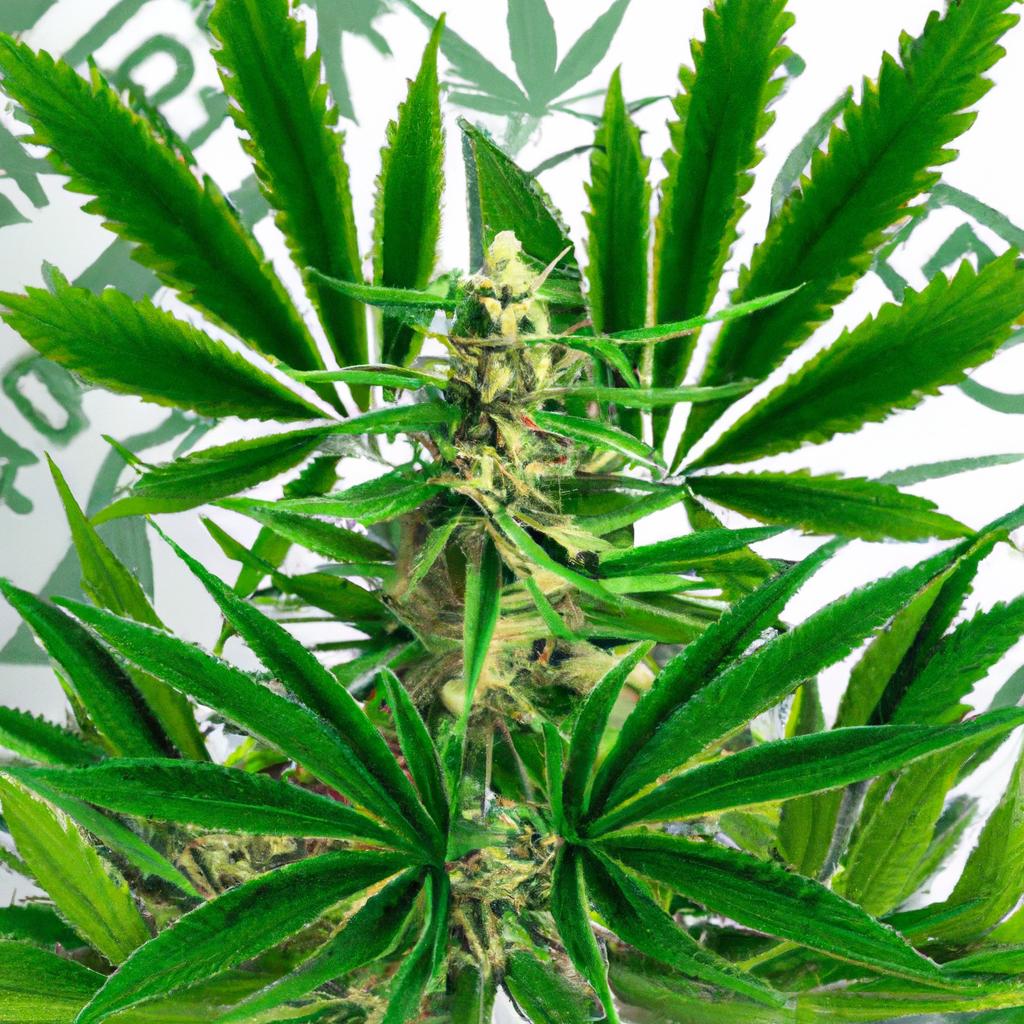
Cannabis Testing 101: Potency, Terpenes, and Contaminants
Cannabis has evolved drastically over recent years, transforming from an underground product into a mainstream botanical commodity embraced for its medicinal, recreational, and wellness benefits. However, the foundation of this progression depends heavily on the science of cannabis testing – a critical process ensuring safety, quality, and efficacy. Whether you’re a consumer, cultivator, or industry stakeholder, understanding cannabis potency, terpene profiles, and contaminant screening is essential for making informed choices.
Why Cannabis Testing Matters
As cannabis regulation tightens globally, testing has become a regulatory requirement and a hallmark of product trustworthiness. testing bridges cannabis cultivation and post-processing technology with consumer safety by confirming the chemical composition and absence of hazardous substances. It plays a pivotal role in:
- Guaranteeing accurate labeling of cannabinoid potency
- profiling terpene content for aroma, effects, and flavor
- Detecting contaminants, including pesticides, heavy metals, and microbial pathogens
- Supporting scientific research and product innovation
The Fundamentals of Cannabis Testing
1. Potency Testing: Measuring Cannabinoids
Potency testing primarily quantifies the concentration of cannabinoids like THC (tetrahydrocannabinol) and CBD (cannabidiol) within cannabis flower or concentrates. These molecules are the key active compounds responsible for the psychoactive and therapeutic effects of cannabis.
Advanced analytical techniques such as high-Performance Liquid Chromatography (HPLC) and Gas Chromatography (GC) allow accurate measurement of the cannabinoid spectrum, including minor cannabinoids like CBG, CBC, and CBN. Accurately reporting potency ensures consumers and patients get the intended dose and experience.
2. Terpene Profiling: Unlocking Cannabis Aroma & Effects
Terpenes are aromatic compounds found in cannabis that not only provide distinctive flavors and smells but also contribute to the entourage effect-modulating the overall effects of cannabinoids on the body.
Common cannabis terpenes include:
- Myrcene: Earthy, musky scent, known for relaxing effects.
- Limonene: Citrus aroma,uplifting and mood-enhancing.
- pinene: Pine needle fragrance, associated with alertness.
- Linalool: Floral scent, potential anti-anxiety properties.
Using tools like Gas Chromatography-Mass spectrometry (GC-MS), labs detect and quantify terpene profiles, guiding breeding programs and supporting product differentiation in the competitive market.
3. Contaminant Testing: Ensuring Safety First
Safety is paramount in cannabis consumption. Contamination can occur at any stage of cultivation, harvest, or processing. The primary targets for contaminant testing include:
- Pesticides & Herbicides: Harmful chemical residues that may cause adverse health effects.
- Heavy Metals: Lead, arsenic, cadmium, and mercury absorbed from soil or water.
- microbial Contaminants: Mold, yeast, bacteria, and pathogens that cause infections.
- Residual Solvents: Traces of volatile solvents used in extraction processes.
Regulated labs apply ICP-MS (Inductively Coupled Plasma Mass Spectrometry) for metals, LC-MS/MS (Liquid Chromatography Tandem Mass Spectrometry) for pesticides, and culture methods or PCR for microbiological testing.
How Cannabis Testing Fits Into the Broader Industry
The cannabis industry is a complex ecosystem where processing equipment, scientific research, and regulatory compliance converge. Let’s see how testing integrates across the value chain from cultivation to consumer use.
| stage | Role of Cannabis Testing | key Equipment / Technologies |
|---|---|---|
| Cultivation | Monitoring plant health & contaminant risks, guiding harvest timing. | Soil analyzers, moisture sensors, environmental controls. |
| Harvest & Drying | Sampling for potency & contamination; ensuring product stability. | Moisture meters, automated sampling tools. |
| Extraction & Processing | Verifying cannabinoid purity, solvent removal confirmation. | Closed-loop extractors, rotary evaporators, HPLC instruments. |
| Final Product Testing | Compliance with potency labels, terpene verification, contaminant clearance. | GC-MS, LC-MS, microbial culture labs, ICP-MS analyzers. |
Benefits of Thorough Cannabis Testing
- Consumer Confidence: Builds trust in product quality and label accuracy.
- Health and Safety: protects users from harmful contaminants or adulterants.
- Regulatory Compliance: Ensures legality and smooth market access.
- Product Innovation: Facilitates new strain advancement and targeted formulations.
Practical Tips for Consumers & Industry Players
- Always look for lab test results (Certificates of Analysis or COAs) when purchasing cannabis products.
- Opt for products from licensed producers with transparent testing practices.
- Be aware of the terpene profile to align with desired effects and flavor preferences.
- Industry professionals: Invest in up-to-date testing equipment and maintain strict quality standards.
Case Study: How Cannabis Testing prevented a Contamination Crisis
In 2022, a prominent cannabis retailer detected unusually high levels of residual pesticides in a popular flower batch during routine third-party testing. Immediate product recalls prevented widespread health issues. This incident highlighted how rigorous contaminant testing preserves consumer safety and brand reputation, emphasizing why quality control is integral to cannabis post-processing operations.
Conclusion: Your Guide to Safer, Better Cannabis
Cannabis testing is more than a regulatory hurdle-it’s the backbone of a responsible, scientific cannabis industry. From accurately measuring potency and unlocking the complexities of terpenes to safeguarding against contaminants, testing empowers consumers and cultivators alike to enjoy the full benefits of cannabis with peace of mind. As technology advances and testing methodologies become more refined, the future promises even safer and more tailored cannabis experiences.
Understanding these fundamentals encourages better decision-making and supports a thriving, trustworthy cannabis ecosystem. Whether you are exploring cannabis for the first time, cultivating your own strains, or innovating with extraction equipment, comprehensive testing knowledge is your essential tool for success.