
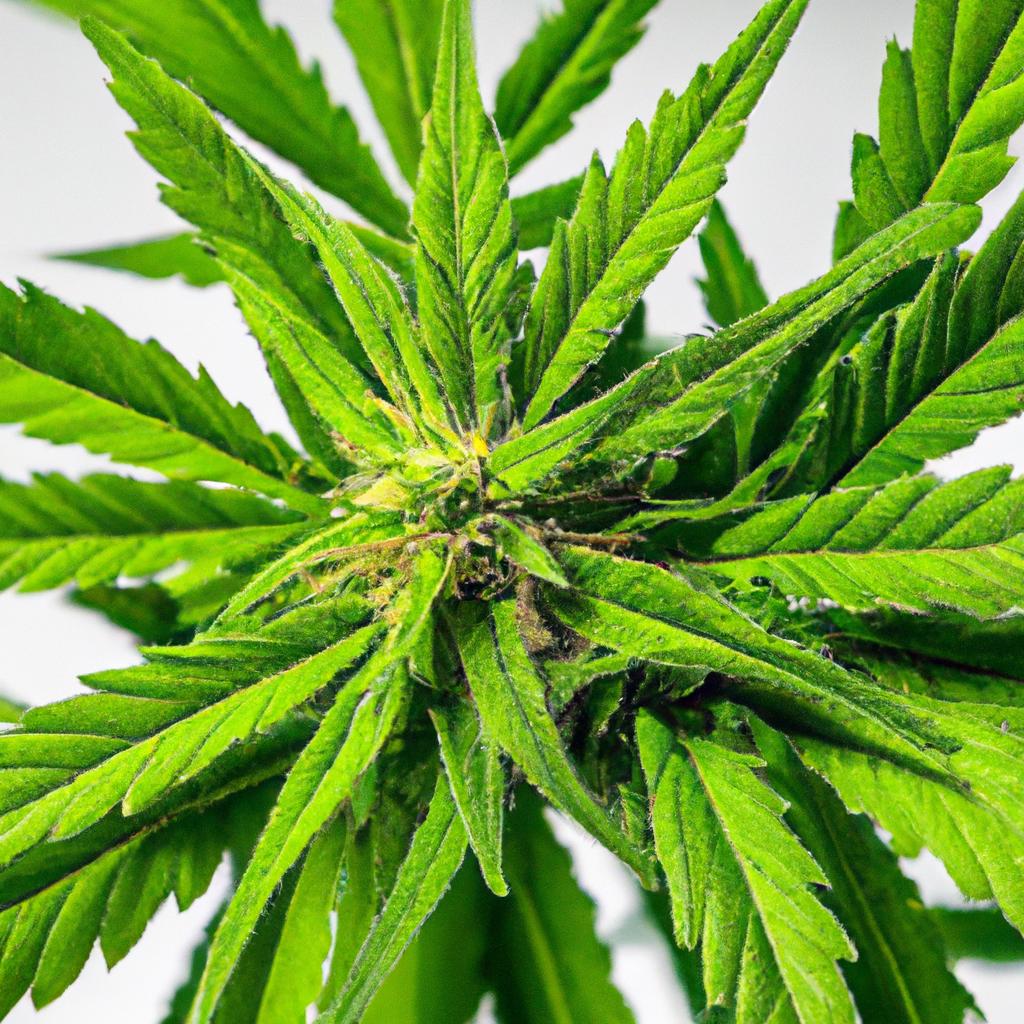
Aroma, Color & Purity: Visual Differences in Extracts
Teh cannabis industry is evolving rapidly, fueled by advancements in cannabis science, extraction technologies, and post-processing equipment. A critical aspect for both consumers and producers alike is understanding the visual characteristics of cannabis extracts-specifically aroma, color, and purity. These elements offer valuable insights into the quality and potency of cannabis concentrates, revealing the efficiency of extraction methods and the influence of processing conditions.
In this article, we explore how aroma, color, and purity serve as essential markers in the world of cannabis extracts. We will also explain how these attributes tie into the broader context of cannabis technology and post-processing.Whether you’re a cultivator, extractor, product developer, or enthusiast, gaining knowlege about these visual differences can elevate your appreciation and selection of cannabis products.
The Science Behind Cannabis Extracts
Before diving into aroma, color, and purity differences, let’s briefly understand what cannabis extracts are. Also called concentrates, these products result from isolating cannabinoids (THC, CBD, etc.) and terpenes from the cannabis plant. Extraction methods vary widely-such as supercritical CO2, hydrocarbon, ethanol, and rosin pressing-each impacting the final product’s characteristics.
Extraction and post-processing equipment – including closed-loop systems, vacuum ovens, and chromatography instruments - are designed to maximize purity and preserve delicate compounds like terpenes that influence aroma and flavor.
Aroma differences in Cannabis Extracts
Aroma is the first sensory cue that reflects the extract’s terpene profile and freshness. Terpenes are volatile aromatic compounds responsible for cannabis’ distinct smell, ranging from earthy, piney, citrusy, to floral notes.
Key factors influencing aroma:
- Extraction method: Certain methods (e.g., CO2 extraction) preserve terpenes better then others, affecting scent intensity.
- Post-processing: Overheating or prolonged vacuum purging can degrade terpenes, diminishing aroma.
- Storage conditions: Exposure to light, oxygen, or heat can cause terpene evaporation, lowering aromatic richness.
In practice: A high-quality cannabis extract typically exhibits a pungent, complex aroma close to the original strain, indicating fresh and intact terpenes.
Color Variations and What They Mean
Color is an immediate visual indicator of cannabis extract quality. Extract hues range across a spectrum from golden yellow, amber, dark brown, greenish, and even almost clear. The color depends on:
- Plant material: The cultivar and harvested flower maturity influence pigments extracted.
- Extraction solvents and method: Hydrocarbon extracts often appear lighter and clearer, whereas ethanol extracts can have darker colors due to chlorophyll and waxes.
- Purity level: Dark or murky colors often indicate residual plant matter or impurities.
- Processing technique: Effective winterization, filtration, and dewaxing remove unwanted chlorophyll and lipids, impacting clarity and shade.
Table: Common Cannabis Extract Colors & Their Typical Meanings
| Color | Typical Extract Type | Quality/Implication |
|---|---|---|
| Golden yellow | Hydrocarbon BHO, CO2 | high purity, well-refined, terpene-rich |
| Amber | Rosin, Ethanol Extracts | Good purity, slightly aged or less refined |
| Dark Brown/Green | Crude Ethanol Extracts, Initial Runs | Contains waxes, chlorophyll; lower purity |
| Clear/Light | Distillates | Ultra-pure THC/CBD concentrate, terpene stripped |
Purity: The Visual & scientific Hallmark of quality
Purity in cannabis extracts refers to the absence of unwanted compounds such as chlorophyll, waxes, lipids, pesticides, residual solvents, and plant matter. Visual purity frequently enough correlates with potency and safety.
Indicators of purity:
- Clarity: Clear or translucent extracts imply well-processed concentrates with minimal contaminants.
- Consistency: Pure extracts have a smooth texture without grit or particulate matter.
- Color stability: Pure extracts maintain consistent color and do not darken rapidly.
Technical note: Manny producers employ advanced post-processing equipment like chromatography columns and vacuum ovens to increase purity by removing residual solvents and undesirable compounds.
Benefits of High-Purity Cannabis Extracts:
- Enhanced flavor and aroma retention
- Increased cannabinoid potency and bioavailability
- Improved safety profile with fewer contaminants
- Better product consistency and consumer trust
Practical Tips for Assessing Extract Quality
Whether you’re a consumer or a professional in the cannabis industry, learning to identify the nuances in aroma, color, and purity can improve decision-making:
- Smell before purchase: Fresh, rich terpene aroma typically signals quality.
- Look closely at color: Avoid extracts with dark or muddy hues unless expected by processing type.
- Check for clarity and texture: Pure extracts should not appear gritty or opaque (unless specific product types like live resin).
- Review lab results: Confirm purity and residual solvent absence with certificates of analysis (COAs).
Case Study: Aroma & color Differences in Live Resin vs. Distillate
Live resin is a cannabis concentrate extracted from freshly frozen plant material using hydrocarbon solvents. It preserves a broad spectrum of terpenes, resulting in:
- Vibrant, frequently enough golden to amber color
- Rich, complex aroma reflective of the original strain
- Slightly less clear but flavorful product
Conversely, distillates are processed via fractional distillation, yielding:
- Nearly colorless or pale yellow extract
- Neutral aroma due to terpene stripping
- Ultra-pure THC or CBD content with very high potency
this contrast perfectly illustrates how extraction and post-processing methods define the visual and aromatic profiles of cannabis extracts, impacting both user experience and product application.
Conclusion
The aroma, color, and purity of cannabis extracts are much more than just superficial traits; they serve as essential quality markers grounded in cannabis science and technology. Whether you’re selecting concentrates for recreational use, medicinal purposes, or manufacturing cannabis products, paying attention to these visual differences will help you make informed choices about potency, safety, and sensory enjoyment.
As cannabis extraction methods and post-processing equipment continue to advance, the ability to produce extracts with rich aromas, vibrant colors, and high purity will only improve-setting new standards in the cannabis industry. By understanding the interplay of these factors, consumers and professionals alike can better appreciate the complexities and innovations fueling modern cannabis science.
Remember: The next time you see a cannabis extract, take a moment to observe its color, inhale its aroma, and consider its purity-each tells a story about its journey from plant to product.