
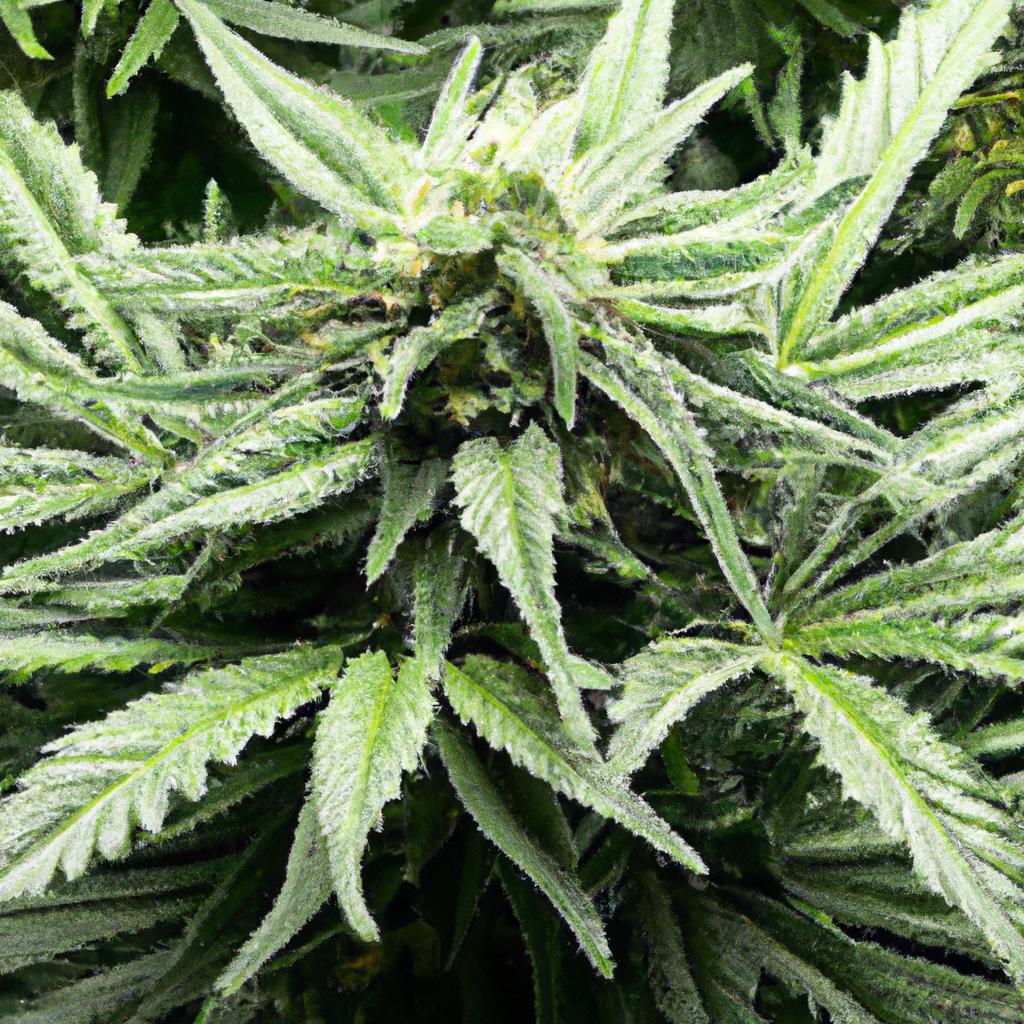
Step-by-Step Guide to the PURE5™ R134a Extraction Process
The cannabis industry has been revolutionized by advanced extraction technologies that enhance product quality and safety. among these breakthroughs, the PURE5™ R134a extraction process stands out as a state-of-the-art method for extracting high-purity cannabis concentrates using R134a refrigerant. If you want a detailed, practical understanding of this innovative technique, you’re in the right place. This guide will walk you through the entire PURE5™ R134a extraction process and explain how it fits into the wider world of cannabis technology and post-processing.
Understanding the PURE5™ R134a Extraction Process in Cannabis Technology
Cannabis extraction is a crucial step in producing oils, waxes, and other concentrates that embody the plant’s therapeutic cannabinoids and terpenes. The PURE5™ system leverages R134a refrigerant-a solvent known for its safety, low toxicity, and efficiency-to gently and effectively extract cannabinoids without degrading sensitive compounds.
Unlike customary hydrocarbon or CO2 extraction methods, PURE5™ R134a extraction operates at relatively low pressures and temperatures, preserving the delicate flavor and aroma profiles of cannabis, making it especially valuable for processors aiming for premium quality.
Step-By-Step PURE5™ R134a extraction Process
Here’s a detailed breakdown of the PURE5™ extraction workflow, designed to maximize yield and purity while ensuring safety and regulatory compliance.
Step 1: Preparing the Cannabis Biomass
- Selection: Use high-quality, cured cannabis flower or trim.
- Grinding: Grind the biomass to an optimal size to improve solvent penetration without pulverizing to powder.
- Loading: Place the prepared biomass evenly into the PURE5™ extraction vessel.
step 2: System Setup and Charging
- Ensure the extraction system is clean and vacuum-sealed.
- Charge the system with R134a refrigerant. The PURE5™ equipment integrates a closed-loop refrigeration cycle minimizing solvent loss.
- Set the temperature and pressure controls to the recommended low-temperature, low-pressure parameters to protect terpenes and cannabinoids.
Step 3: Extraction Cycle activation
- Start the extraction cycle, allowing R134a to flow through the cannabis biomass.
- The R134a acts as a solvent, dissolving cannabinoids, terpenes, and other desirable compounds.
- The solvent-cannabinoid mix then collects in the system’s separator chamber.
Step 4: Solvent Recovery and Purge
- the system uses a heat exchanger to separate and recover the R134a solvent from the extract.
- Recovered R134a is recycled back into the system, ensuring a sustainable and cost-effective process.
- At this stage, the primary concentrate remains solvent-rich and requires further post-processing.
Step 5: Post-Processing and Purification
- Transfer concentrate to a purge oven or vacuum chamber.
- Purge residual solvents under vacuum and controlled temperature.
- Use additional filtration or winterization techniques if necesary to remove waxes or lipids.
Step 6: Final Product Collection and packaging
- Collect the purified cannabis concentrate, which will have a high terpene retention and cannabinoid potency.
- Package under inert atmosphere or low temperature to prevent degradation.
The PURE5™ R134a extraction Process at a Glance
| step | Action | Purpose |
|---|---|---|
| 1 | Prepare Cannabis Biomass | Optimizes solvent contact and extraction efficiency |
| 2 | Charge with R134a & Setup System | safe solvent infusion preserving product quality |
| 3 | Activate Extraction Cycle | Extract cannabinoids and terpenes effectively |
| 4 | Recover & Recycle Solvent | Reduce solvent loss and lower operating costs |
| 5 | Purge Residual Solvents | Ensure product safety and compliance |
| 6 | Collect & Package Concentrate | Deliver high-quality final cannabis product |
Why Choose the PURE5™ R134a Extraction Method? Benefits and Practical Tips
The PURE5™ R134a extraction technology offers several compelling advantages over conventional extraction methods in the cannabis industry, including:
- Terpene Preservation: Low-temperature operation keeps delicate terpenes intact for enhanced flavor and aroma.
- Safety: R134a is non-flammable and has a lower toxicity profile compared to hydrocarbons, reducing workplace risks.
- Cost Efficiency: Closed-loop solvent recovery minimizes loss and reduces expenses.
- Environmentally Kind: R134a has a relatively low global warming potential and can be recycled efficiently.
- High Yield & Purity: This method consistently delivers high cannabinoid and terpene recovery.
Practical Tips for Operators
- Always source high-quality biomass for better extraction outcomes.
- Maintain regular equipment cleaning and system checks to prevent contamination.
- optimize grind size depending on biomass moisture content and density.
- Employ vacuum purging for minimum residual solvents.
- train staff thoroughly on R134a handling and safety protocols.
Case Study: PURE5™ Extraction in a licensed Cannabis facility
One licensed cannabis processor reported a 15% increase in terpene retention and a 10% yield boost after switching to the PURE5™ R134a extraction system compared to their previous hydrocarbon extraction method. Operators cited less post-processing time and better end-product flavor profiles, leading to increased customer satisfaction and repeat sales.
Conclusion: Evolving Cannabis Extraction with PURE5™ R134a Technology
The PURE5™ R134a extraction process represents the forefront of cannabis extraction technology-balancing efficiency, safety, and product quality. For cannabis cultivators and processors eager to produce premium, terpene-rich concentrates with minimized environmental impact, this method delivers a compelling solution.By following the step-by-step guide detailed above, cannabis businesses can optimize their extraction operations while staying compliant with evolving industry standards.
Embracing innovative technologies like PURE5™ solidifies your position in the competitive cannabis market, ensuring the final product meets both consumer expectations and regulatory requirements.