
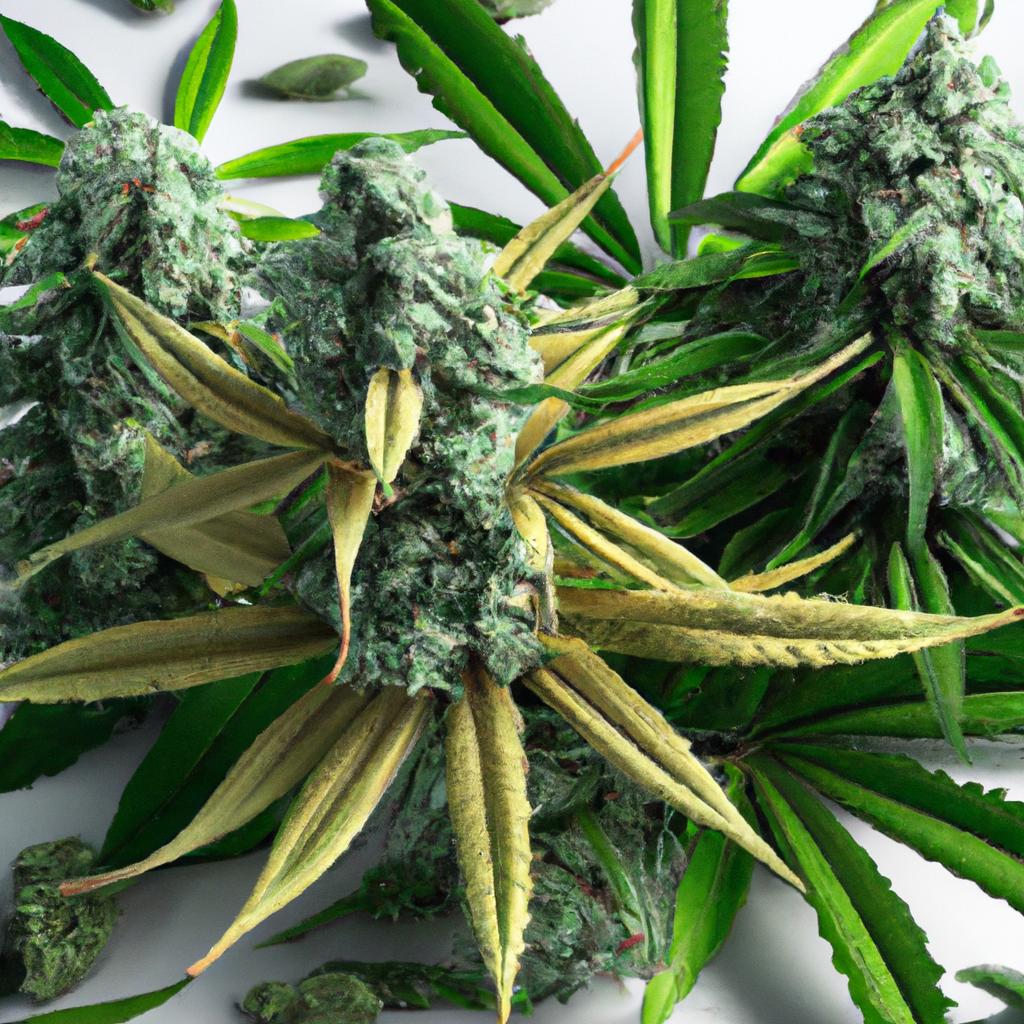
Post-Processing tips for Hydrocarbon Extracts: Elevate Your Cannabis Concentrates
The cannabis industry is experiencing rapid technological innovations, especially in extraction and post-processing methods. Among popular extraction techniques, hydrocarbon extraction using butane (BHO) or propane (PHO) solvents has become a staple due to its ability to deliver potent, flavorful, and clean cannabis concentrates. However, the magic doesn’t stop at extraction – post-processing plays a crucial role in refining hydrocarbon extracts to elevate their quality, safety, and consistency.
in this article, we dive deep into post-processing tips for hydrocarbon extracts, outlining best practices that align with the broader realm of cannabis technology and science. Whether you’re a processor, a cannabis enthusiast, or someone interested in cannabis post processing equipment, these insights will help optimize your final product.
Why Post-Processing Matters in Cannabis Hydrocarbon Extraction
hydrocarbon extraction yields highly potent cannabis concentrates, rich in cannabinoids and terpenes. but the raw extract often contains residual solvents, lipids, waxes, chlorophyll, and other impurities that can affect flavour, safety, and aesthetics. Post-processing is the series of refinement steps following initial extraction that enhance extract purity, stability, and marketability.
- Improves Purity: Reduces solvent residues, waxes, and plant fats.
- Enhances Flavor & Aroma: Preserves delicate terpenes and removes bitter compounds.
- increases Potency: Concentrates cannabinoids by removing non-cannabinoid matter.
- Improves Safety: Complies with industry standards and consumer expectations.
- Optimizes Appearance: Produces clear, visually attractive extracts preferred by consumers.
Essential Post-Processing Steps for Hydrocarbon Extracts
1. Winterization: Removing Waxes & Lipids
Winterization is a critical first step to eliminate undesirable waxes and fats that are co-extracted with cannabinoids. During winterization:
- The raw extract is dissolved in ethanol (95-99%) to create a solution.
- This solution is cooled to sub-zero temperatures (-20°C to -40°C) for 24 to 72 hours.
- Waxes and lipids precipitate out and are removed via filtration.
This process results in a clean oil that improves flavor, appearance, and facilitates further refinement.
2. Solvent Purging: Ensuring Residual Solvent Removal
After extraction and winterization, residual hydrocarbons must be removed to meet safety regulations. Efficient purging is done via:
- Vacuum ovens: Applying heat under vacuum to evaporate residual solvents while preserving cannabinoids.
- Rotary evaporation: Gently removes ethanol used during winterization.
Proper purging enhances consumer safety and product purity.
3. filtration & Polishing: enhancing Clarity and Consistency
Additional filtration steps refine extract clarity:
- activated carbon filtration: Removes color compounds and residual chlorophyll.
- Micron filtration: Filters as fine as 0.45 microns to remove particulate matter.
This ensures a visually appealing, consistent, clean extract-especially critically important for live resin or sauce-style concentrates.
4. Decarboxylation (Optional)
Some hydrocarbon extracts benefit from decarboxylation, which activates cannabinoids by removing carboxyl groups through mild heating. This is essential if the final product is aimed for edibles or vape cartridges.
5.Formulation and Packaging
The purified extract is often blended or formulated into specific products such as vape cartridges, tinctures, or topicals. proper post-processing ensures the extract integrates smoothly without degradation or separation.
Top Practical Tips to Optimize Post-Processing of Hydrocarbon Extracts
- Control temperatures precisely: Excess heat damages terpenes and cannabinoids, while insufficient heat hampers purging.
- Use high-quality ethanol: For winterization, avoid denatured ethanol to prevent contaminant introduction.
- Invest in vacuum purge ovens: They improve solvent removal efficiency while preserving terpene profiles.
- Test often during processes: Lab testing for residual solvents and potency helps adjust parameters.
- Minimize exposure to oxygen: During all post-processing steps to reduce oxidation.
- Choose post-processing equipment wisely: Opt for modular equipment designed specifically for cannabis extract refinement.
case Study: Achieving Premium Sauce Concentrates with Effective Post-Processing
A prominent cannabis processor based in California shared their success story on producing award-winning “sauce” concentrates:
| Post-processing Step | Technique | Outcome |
|---|---|---|
| Winterization | Ethanol wash at -40°C for 48 hours | Removed waxes and fats, improving flavor purity |
| Vacuum Purging | Vacuum oven with controlled 38°C temperature | Less than 500ppm residual solvents confirmed by GC-MS |
| Activated Carbon Filtration | Filtered through activated carbon cloth | Brightened color and eliminated chlorophyll |
| Packaging | Stored in inert atmosphere with UV-protected glass | Preserved terpene profile and accelerated shelf life |
Consistent monitoring and adherence to post-processing best practices resulted in customer loyalty and repeat buisness for the processor.
conclusion: Mastering Post-Processing Unlocks the Full Potential of Hydrocarbon Extracts
As cannabis extraction technologies evolve, post-processing remains an indispensable phase to transform raw hydrocarbon extracts into premium products. The integration of winterization, solvent purging, filtration, and optional decarboxylation directly impacts the potency, flavor, safety, and consumer appeal of cannabis concentrates.
For cultivators, extractors, and formulators, mastering these steps and understanding the science behind post-processing enhances product quality and market success.Investing in quality equipment, adhering to precise methods, and utilizing lab testing solidify your position in the competitive cannabis industry.
By focusing on post-processing optimization, cannabis businesses can confidently deliver superior hydrocarbon extracts that meet regulatory standards and satisfy discerning consumers who seek the purest cannabis experience.